20 Years of the Barać Caves/
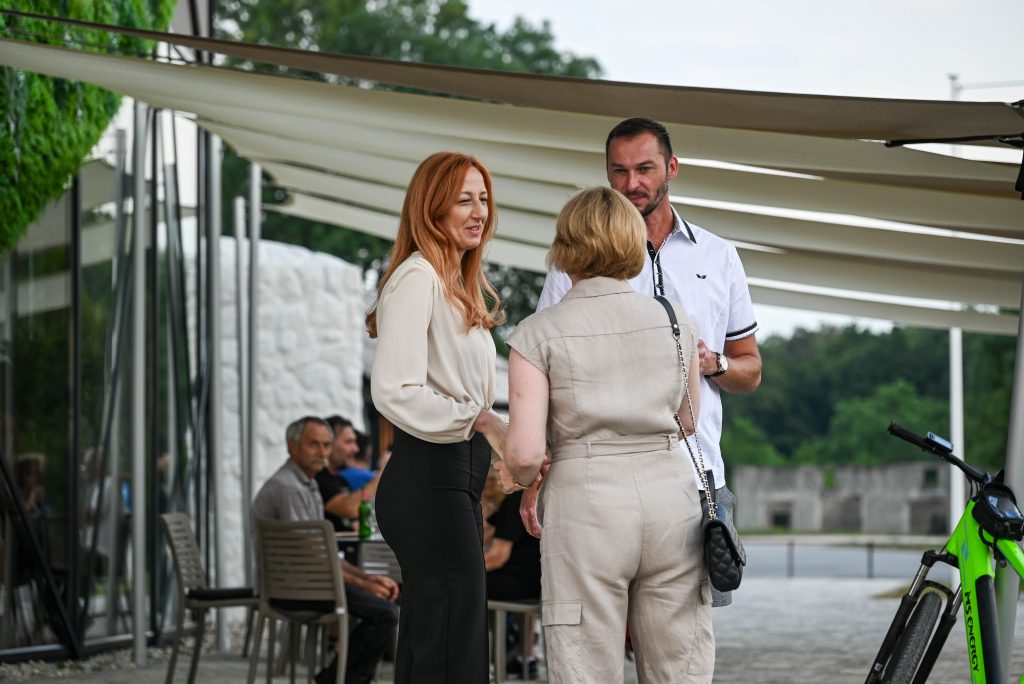
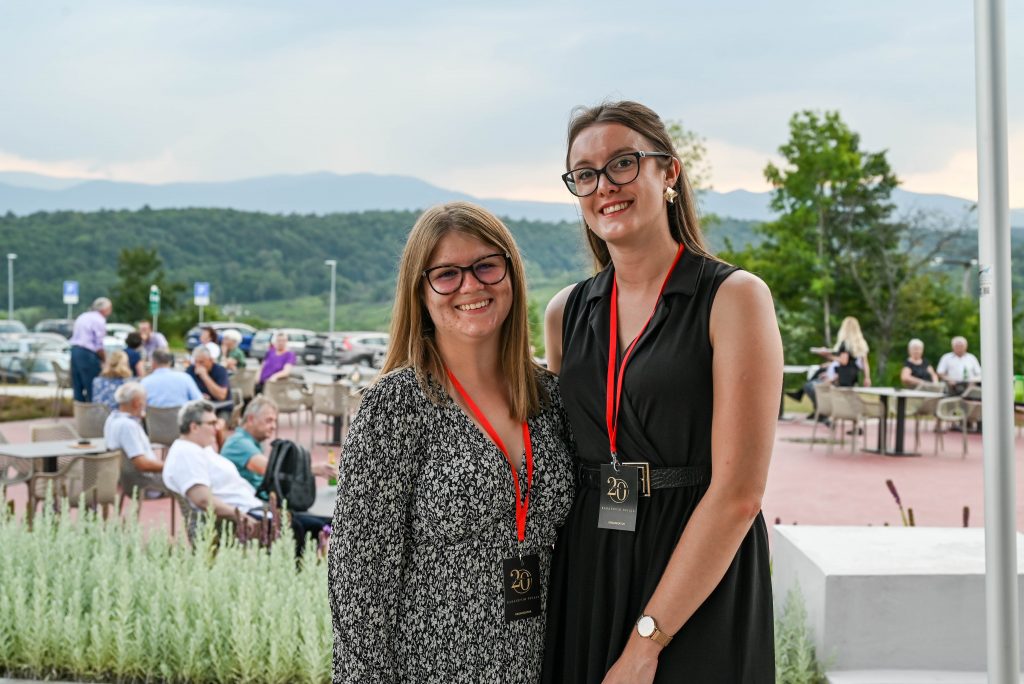
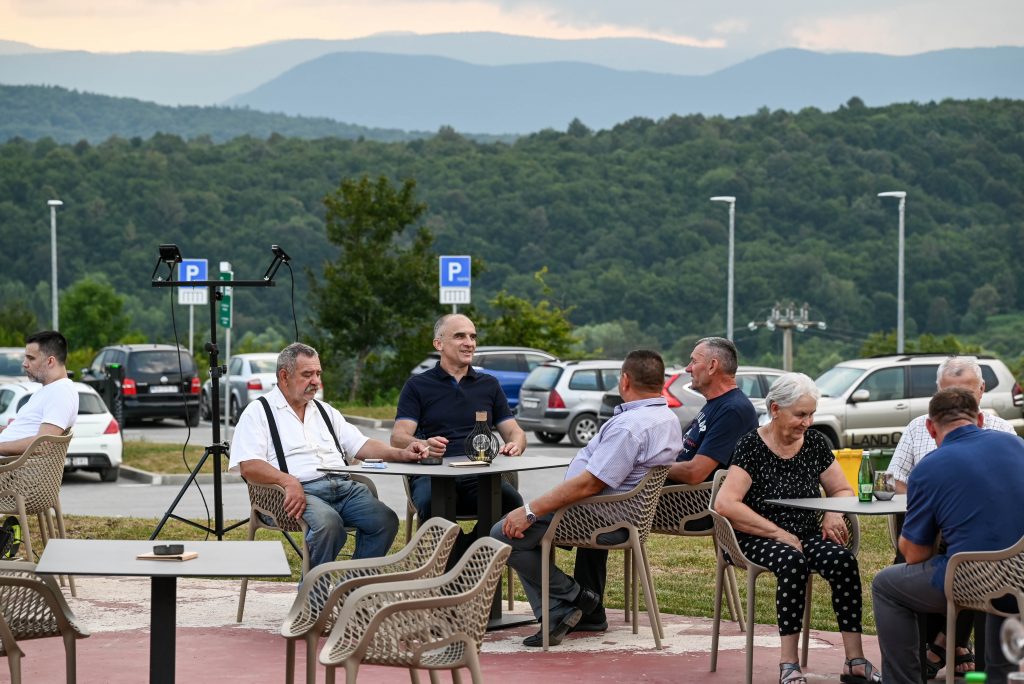
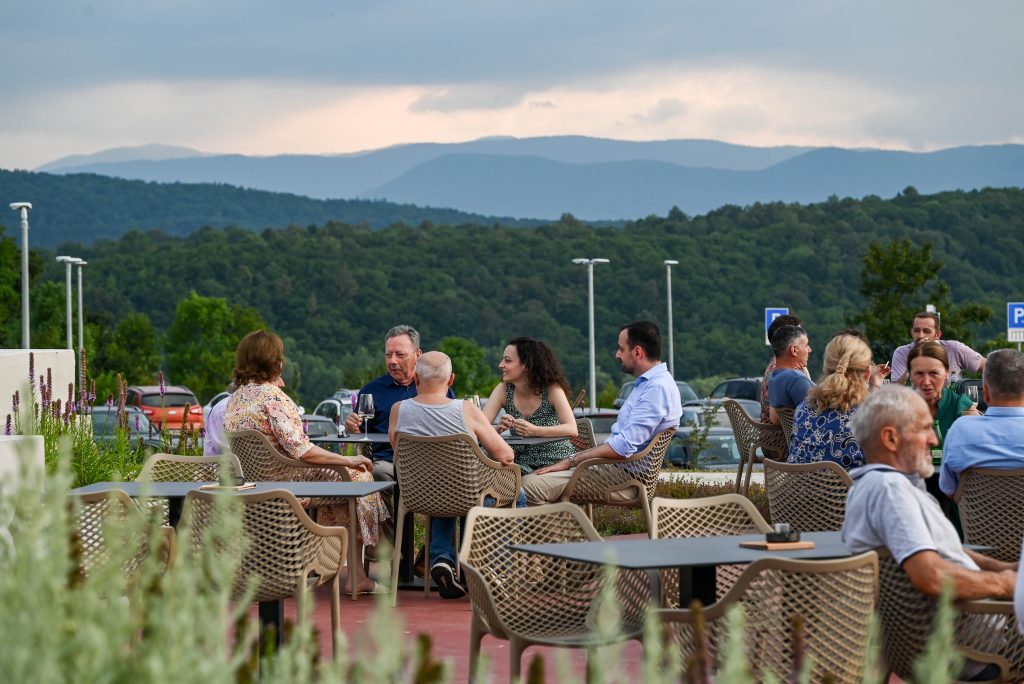
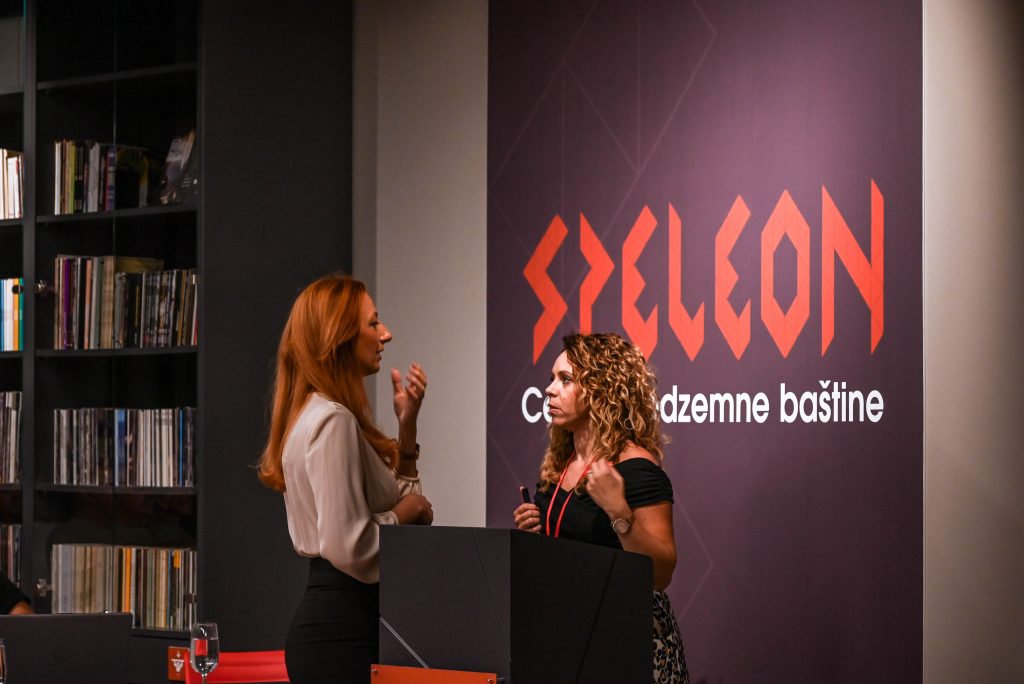
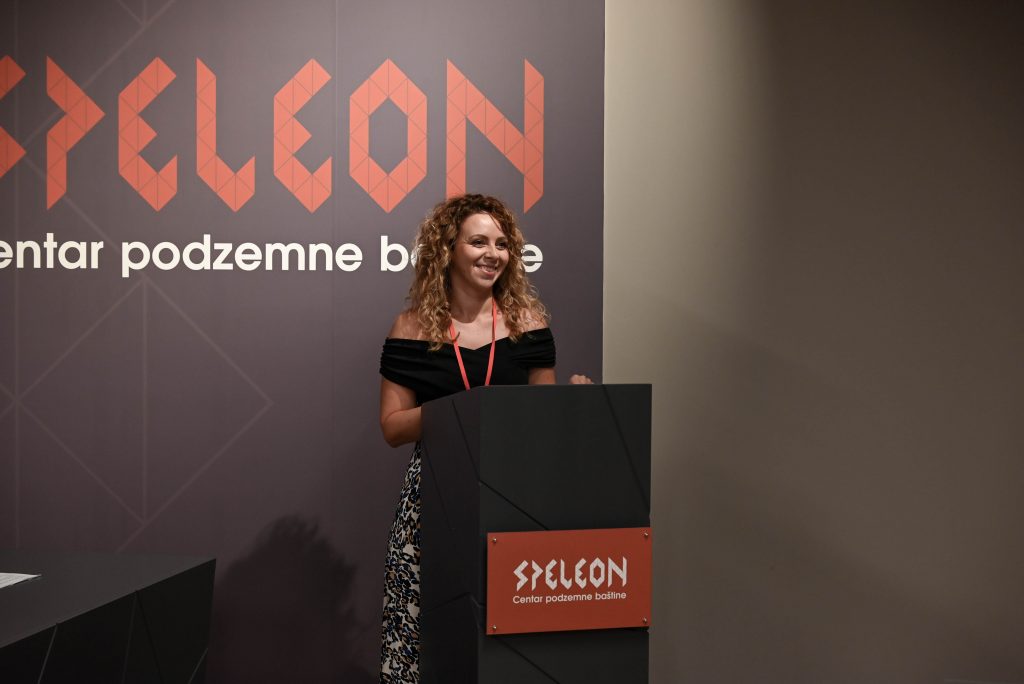
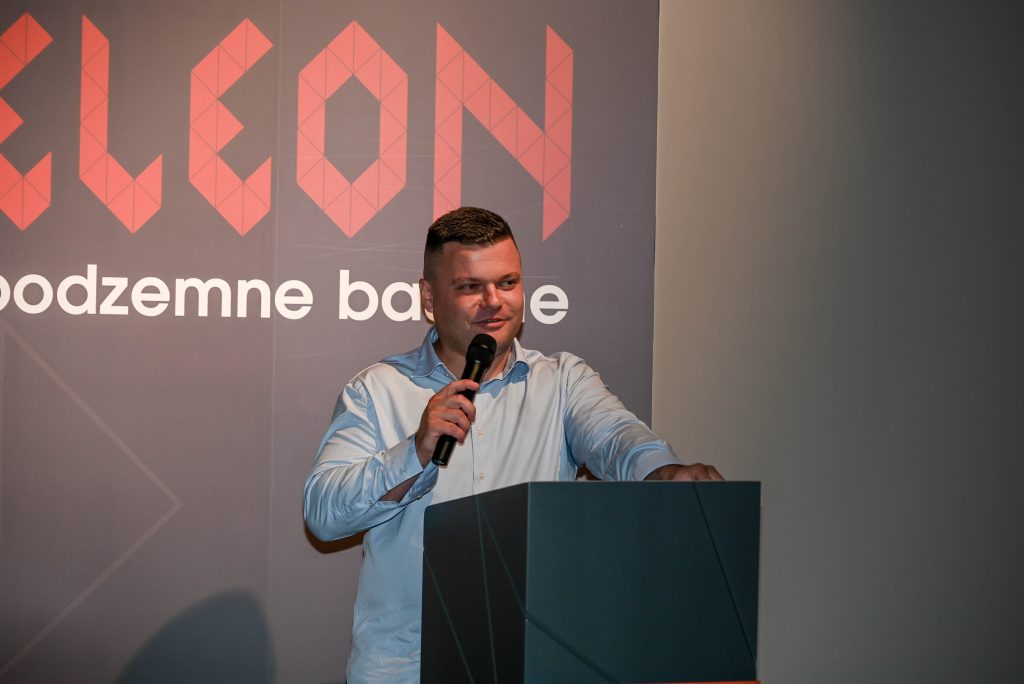
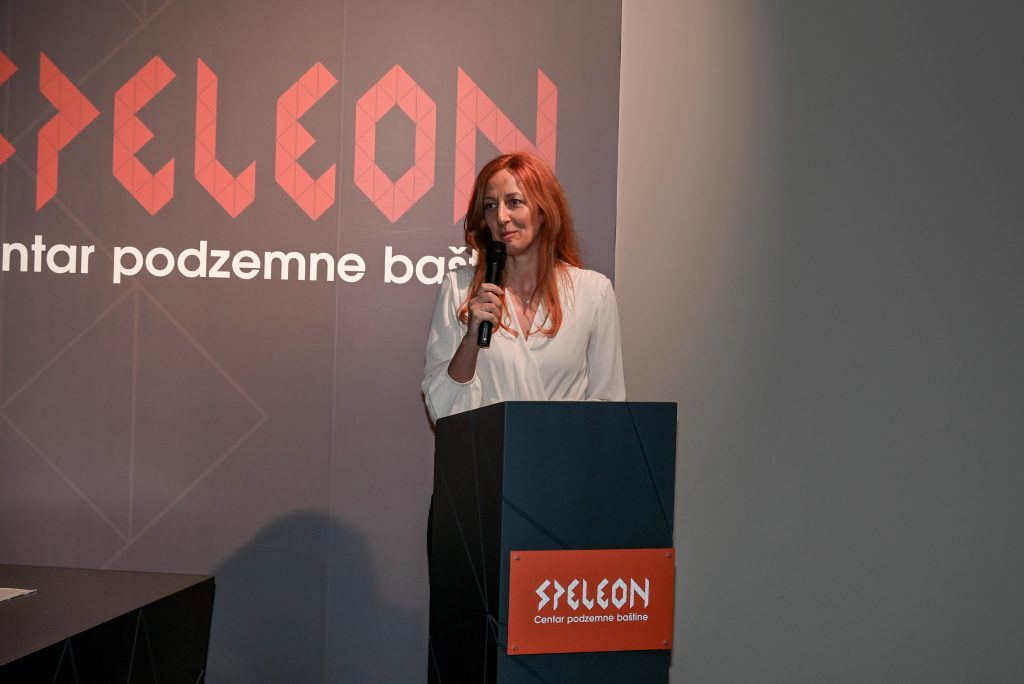
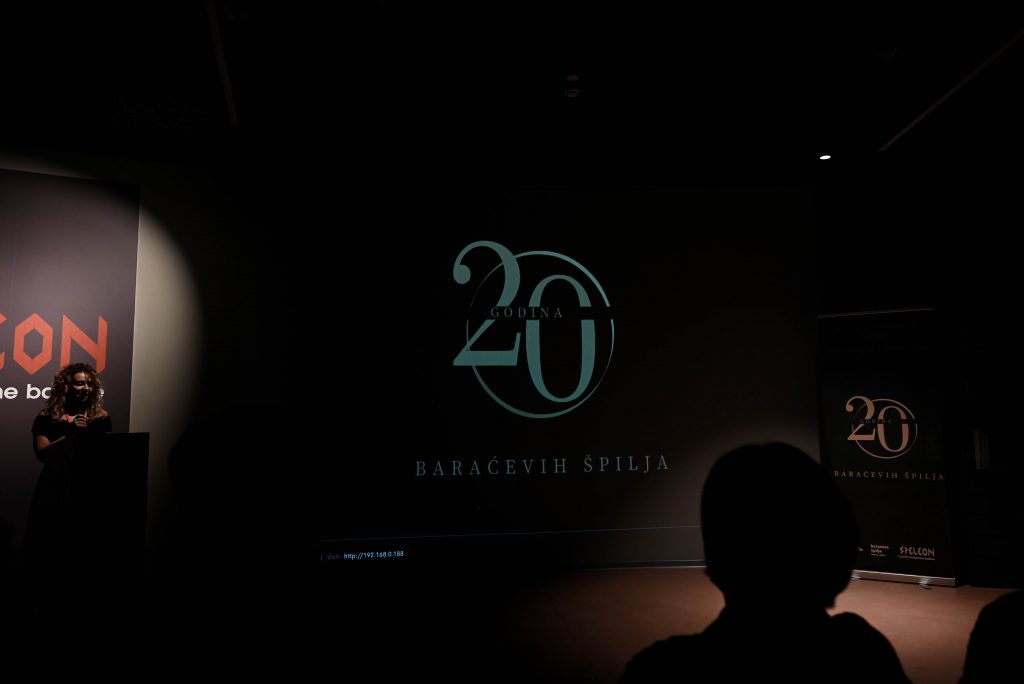
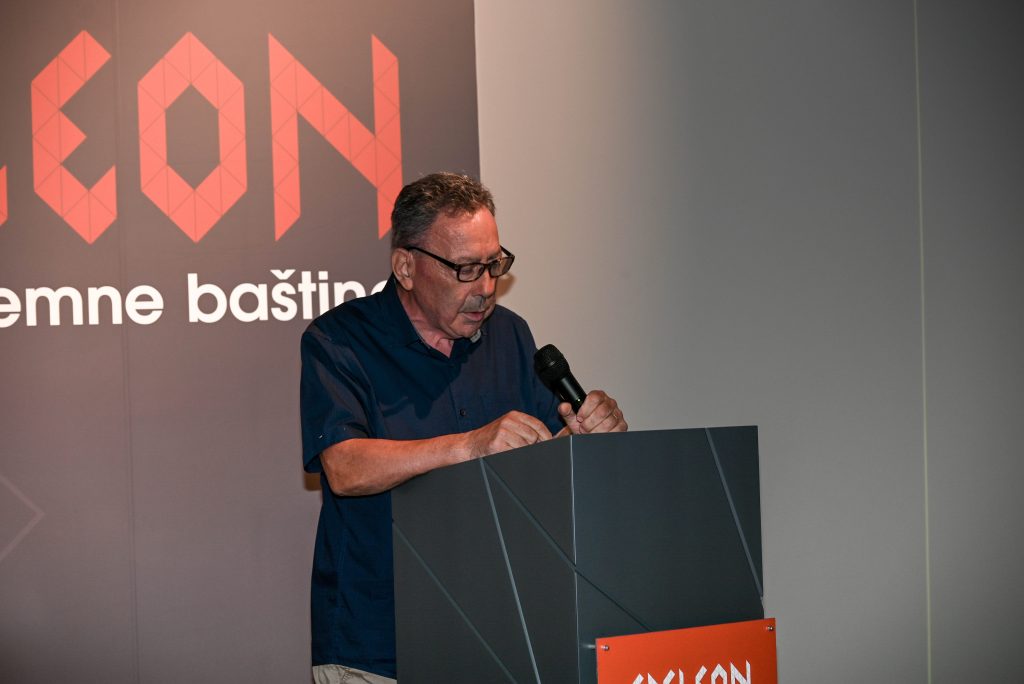
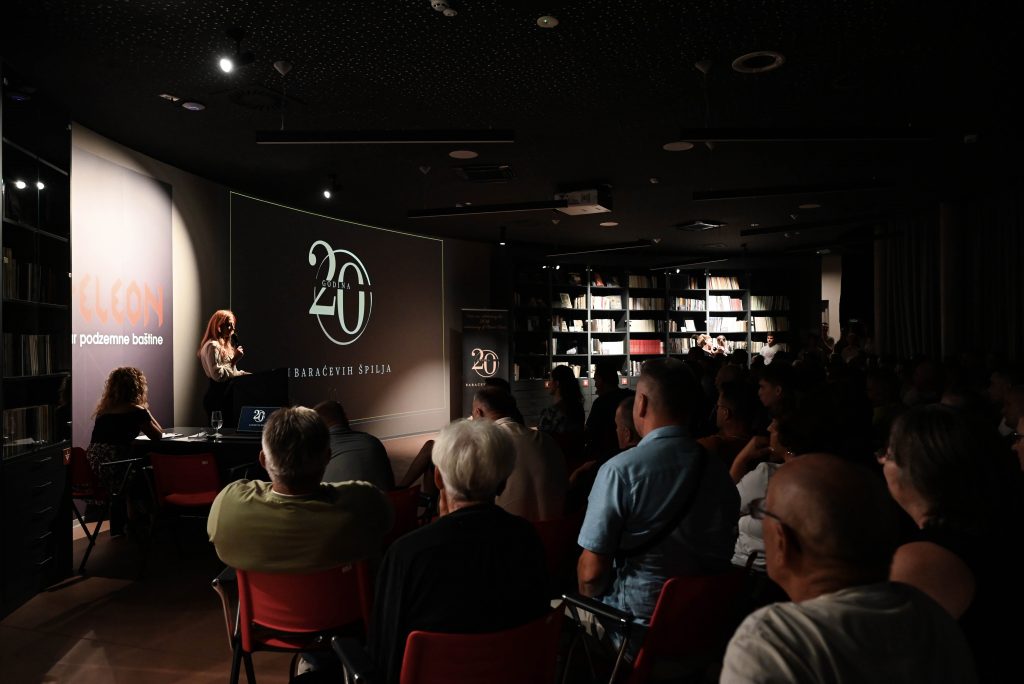
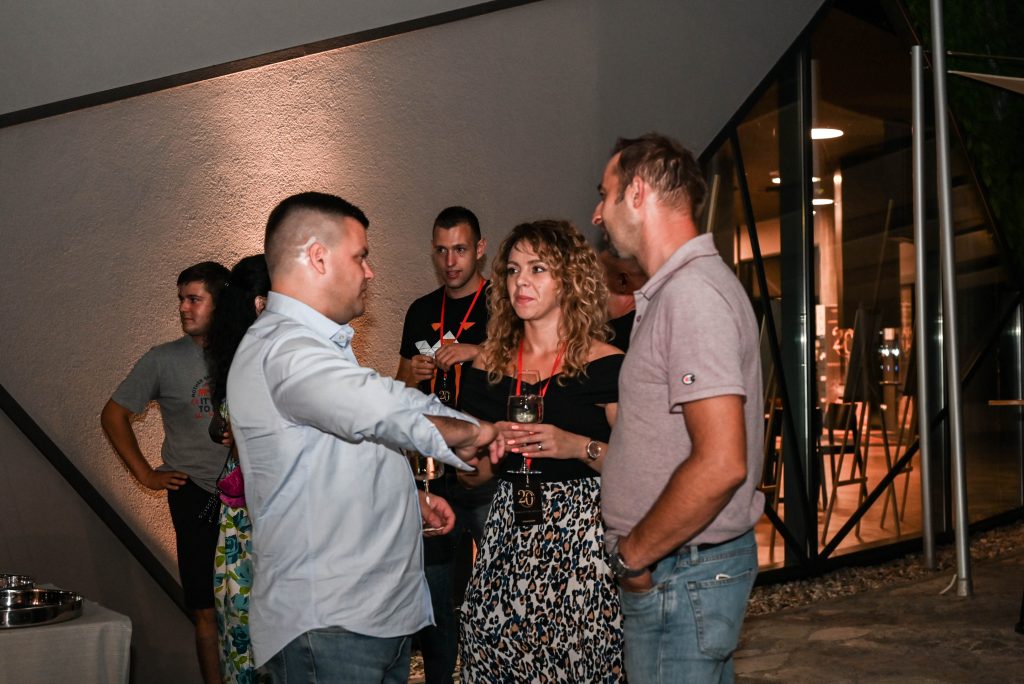
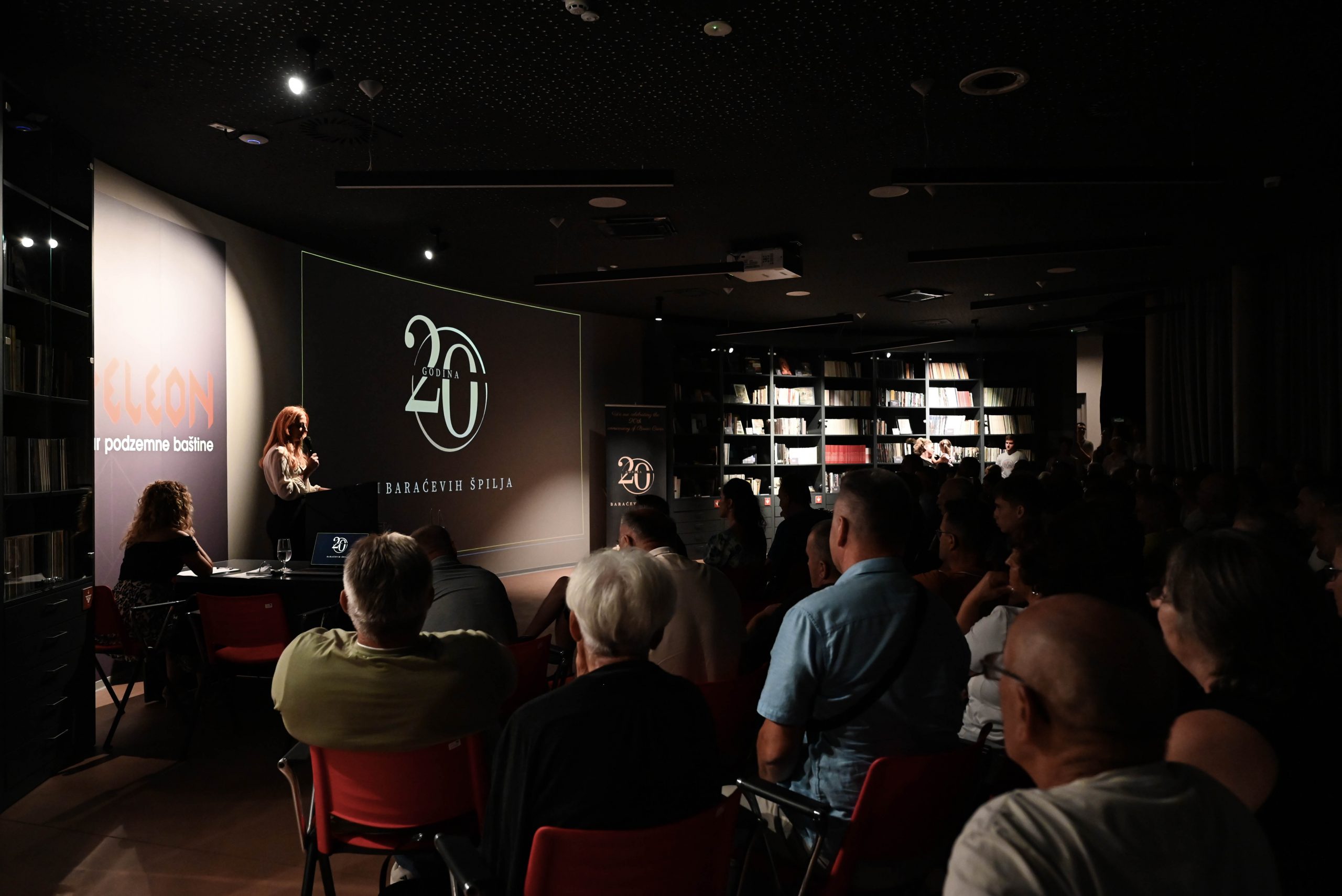
On Friday, July 19, 2024, we marked 20 years of the Barać Caves’ operation at the Speleon – Center for Underground Heritage, with appropriate speeches from the Director of the Public Institution Tihana Oštrina, Mayor of Rakovica Municipality Mihovil Bićanić, former Mayor of Rakovica Municipality Franjo Franjković, Director of the Plitvice Valley Tourist Board Mira Špoljarić, and Alan Kovačević, a member of DDISKF.
We celebrated this significant anniversary with everyone who contributed to the opening of the Barać Caves, as highlighted by the Director of the Institution, Tihana Oštrina: “I want to emphasize that today we celebrate the success of this project – the Barać Caves project, but most importantly – we celebrate the most crucial factor in every project – the human factor. We celebrate unity, enthusiasm, selflessness, and the faith you all gave at the very beginning, when it was needed the most!”
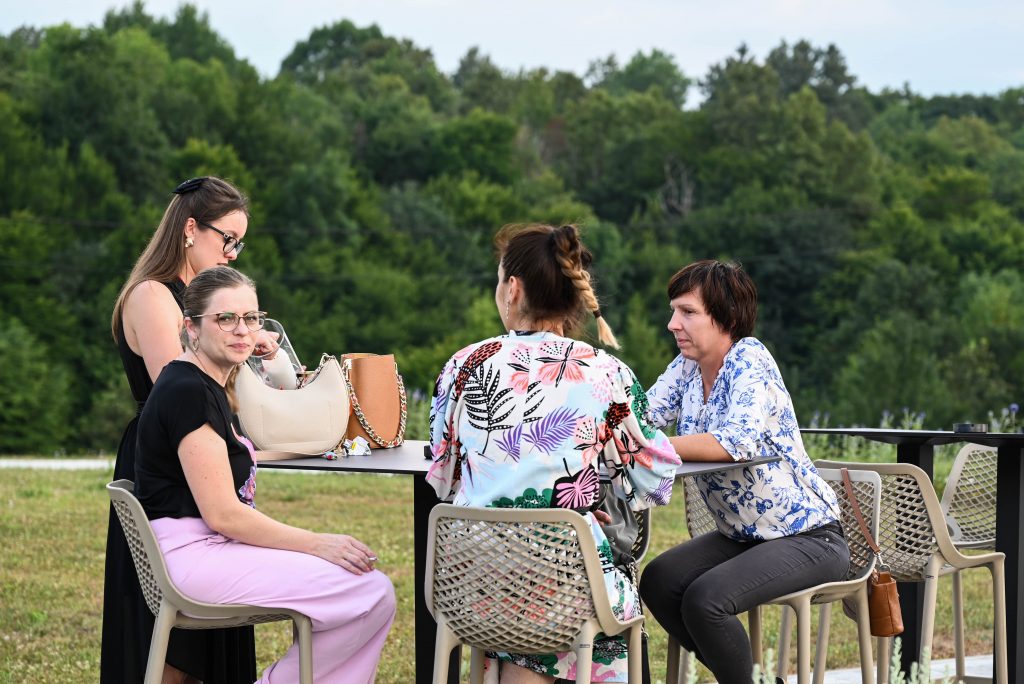
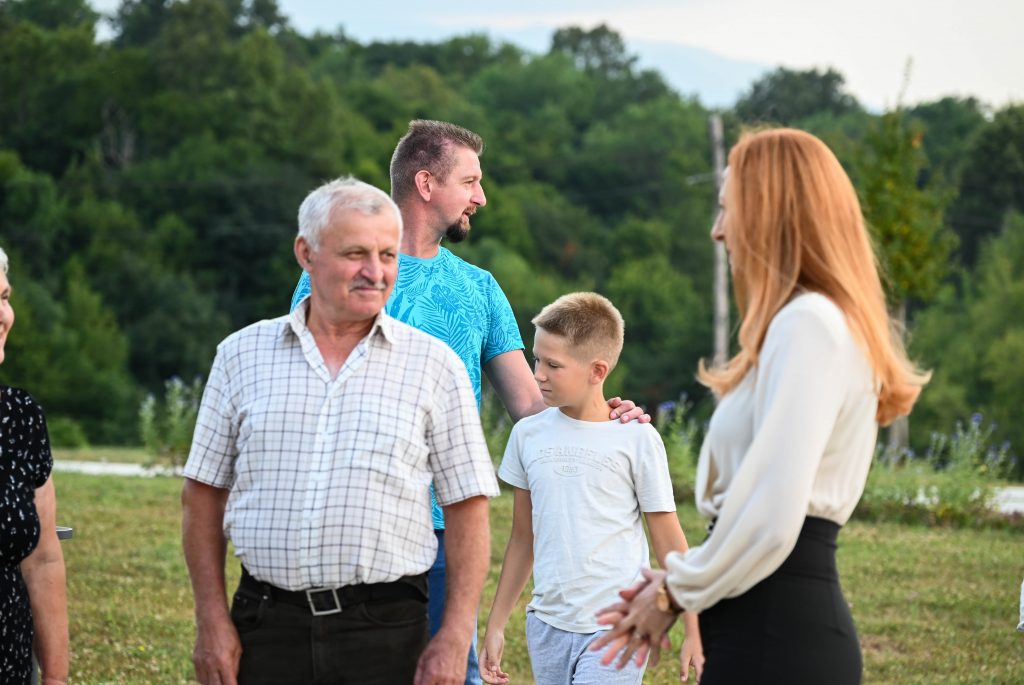
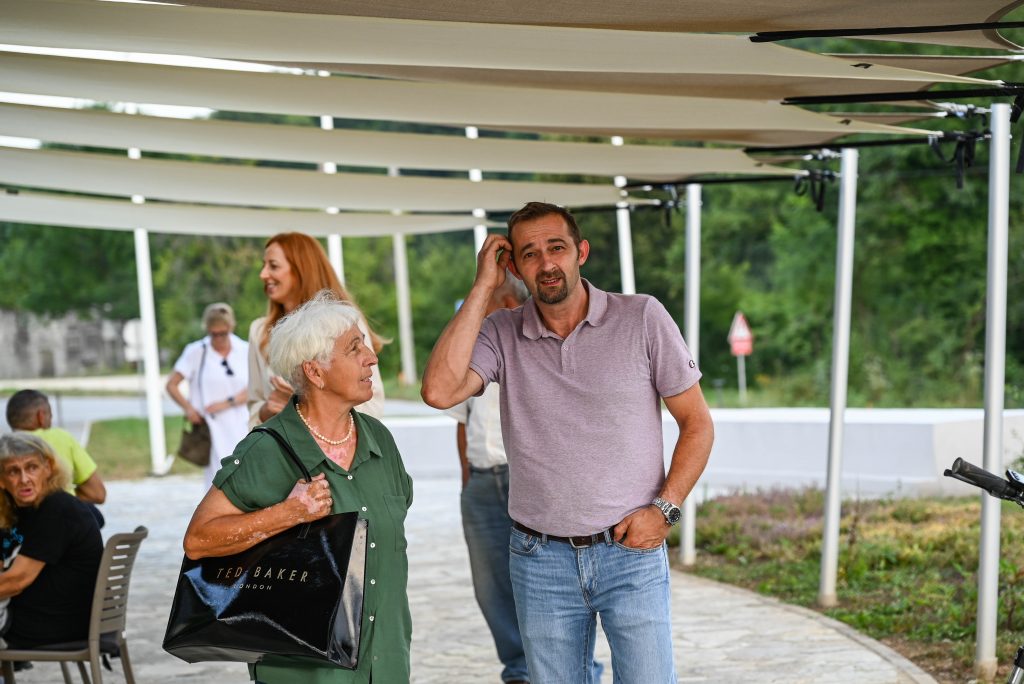
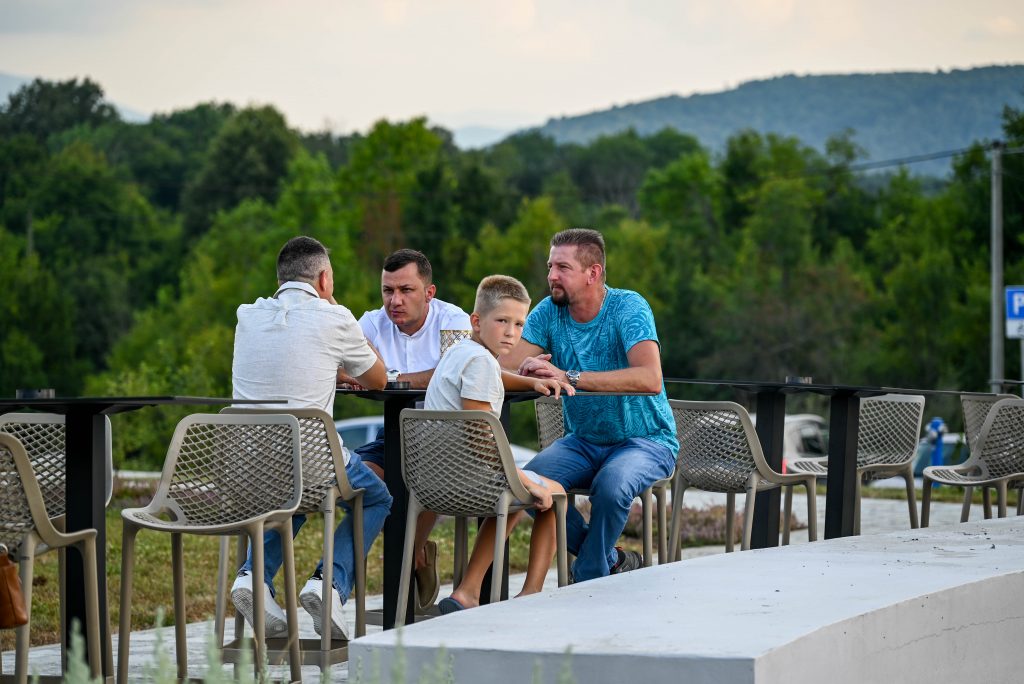
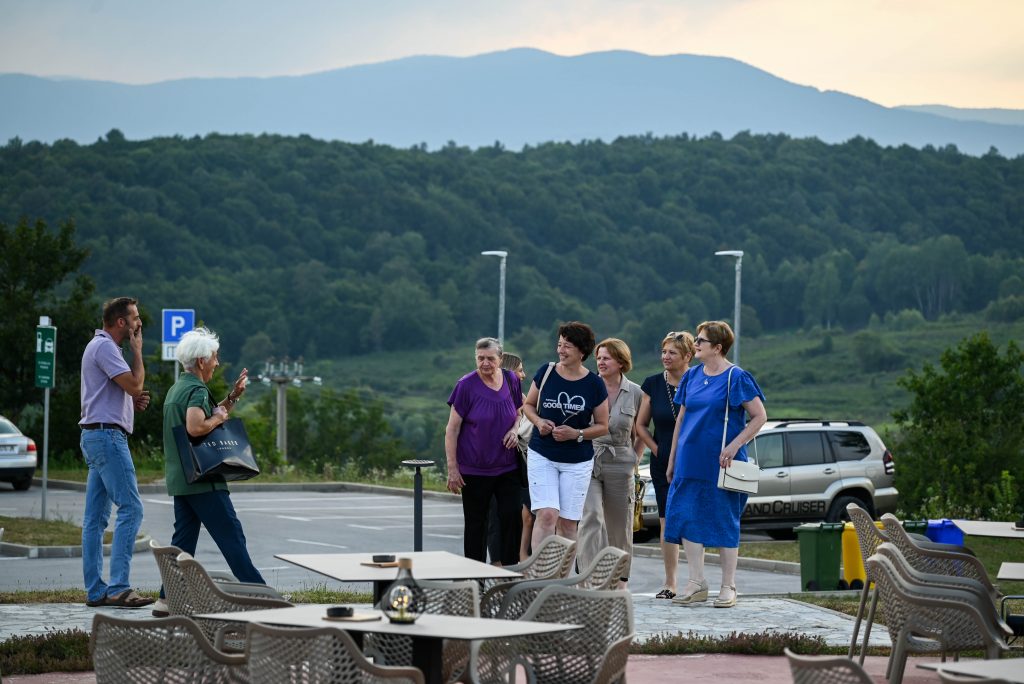
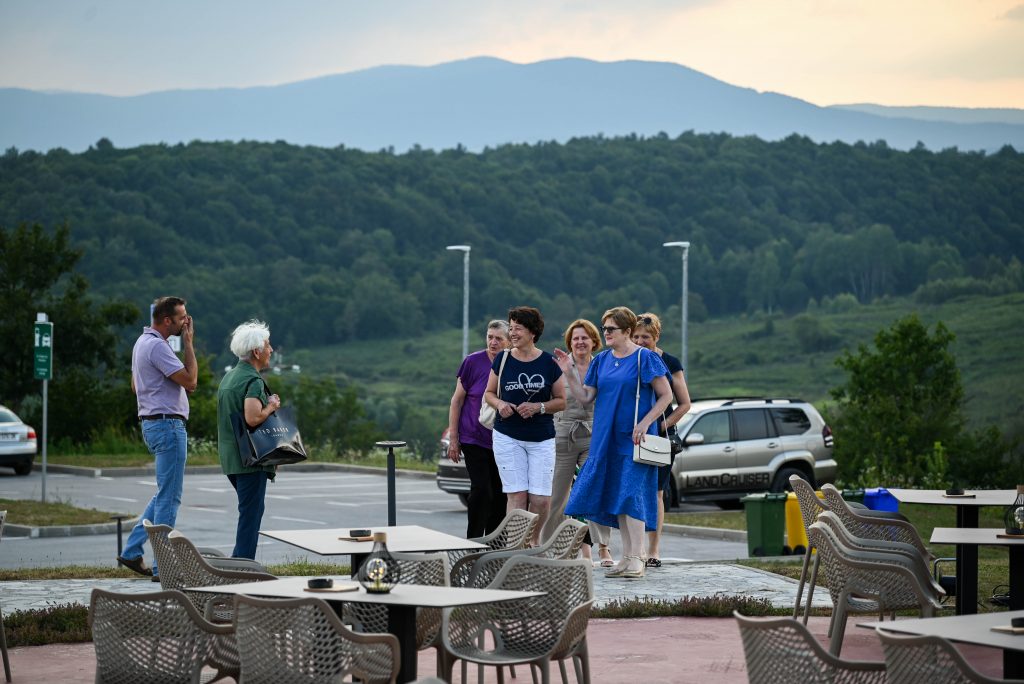
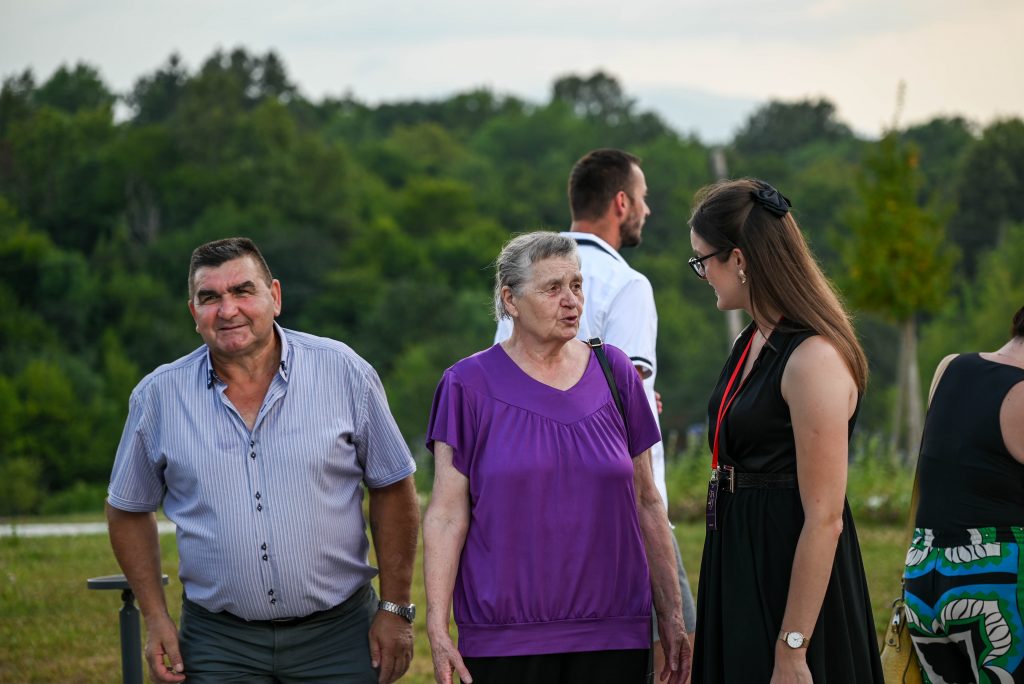
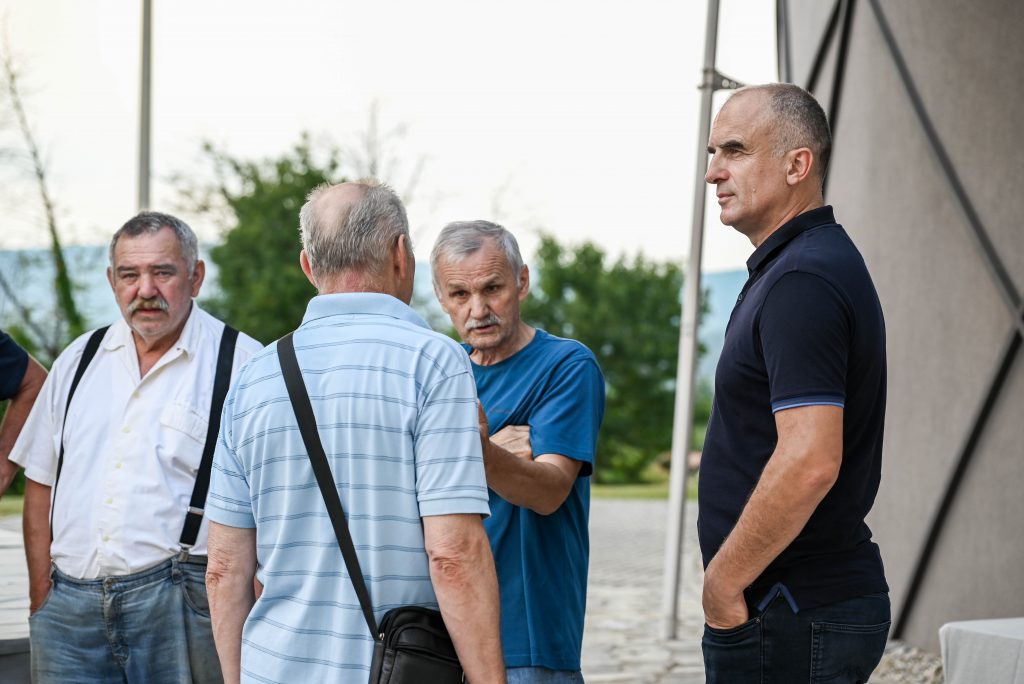
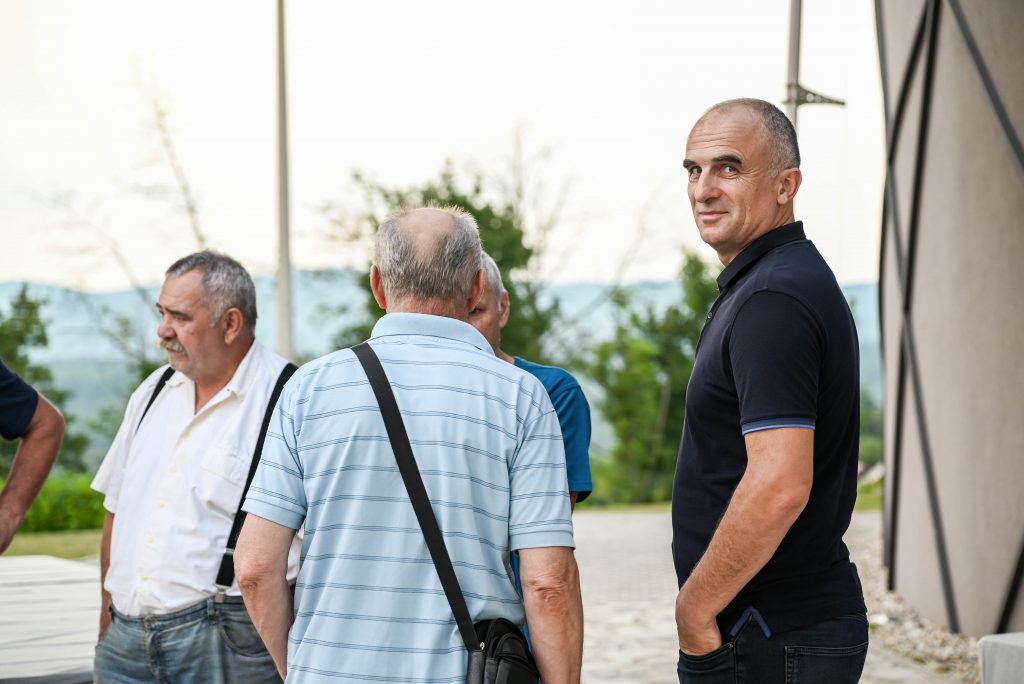
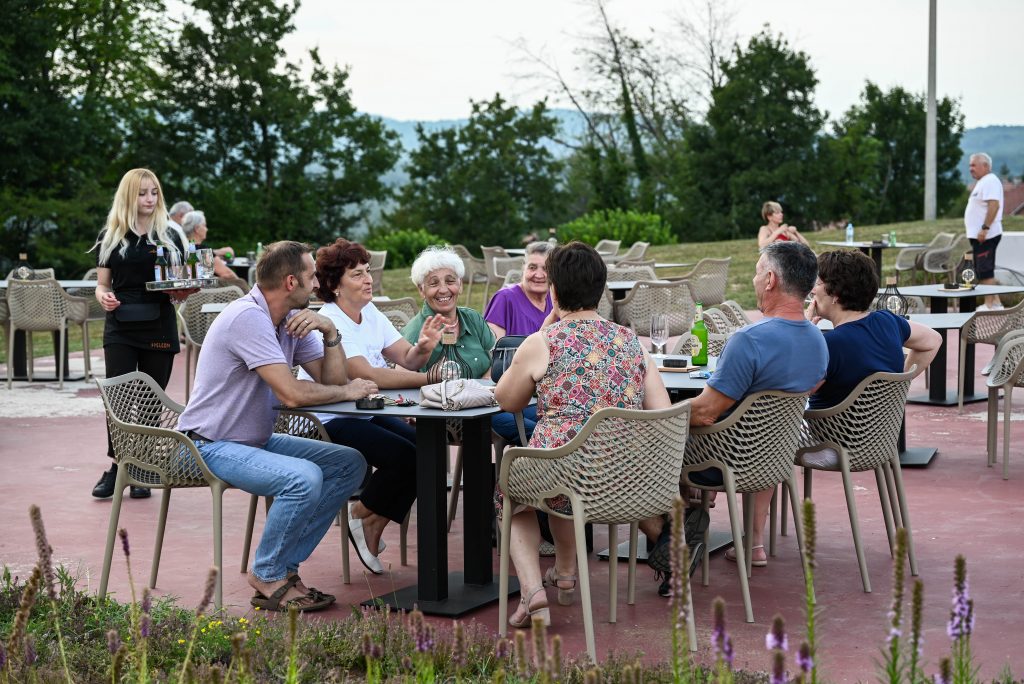
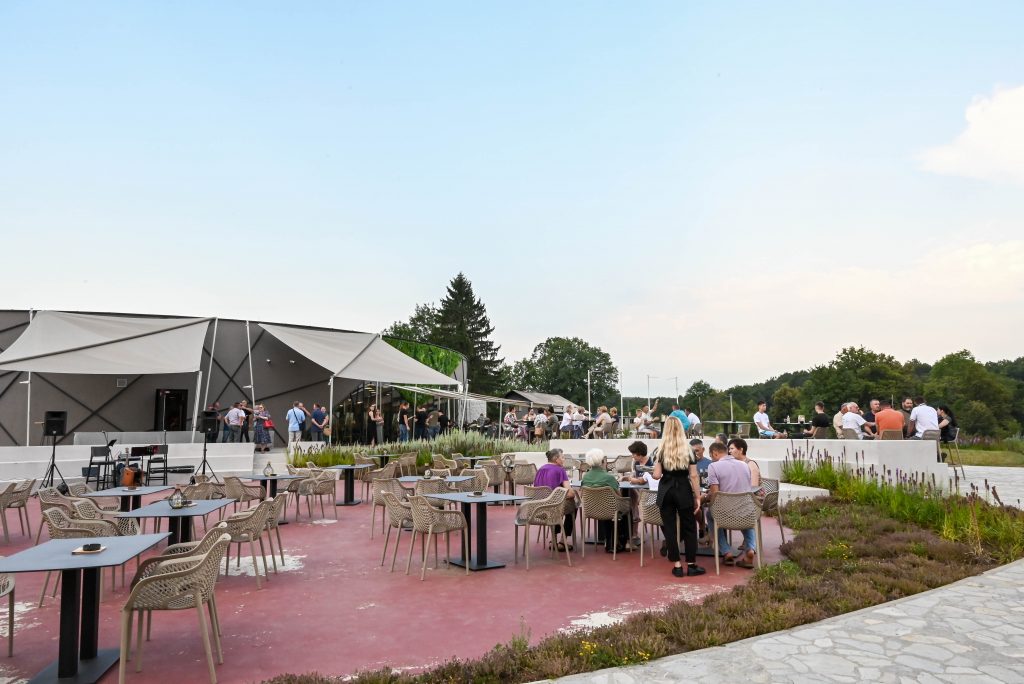
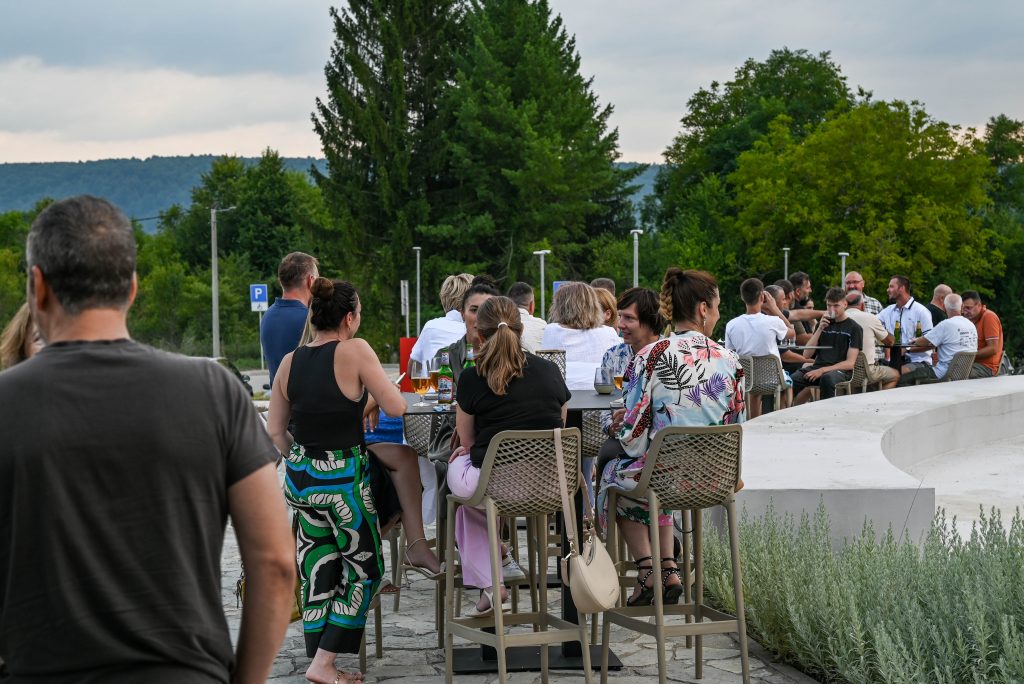
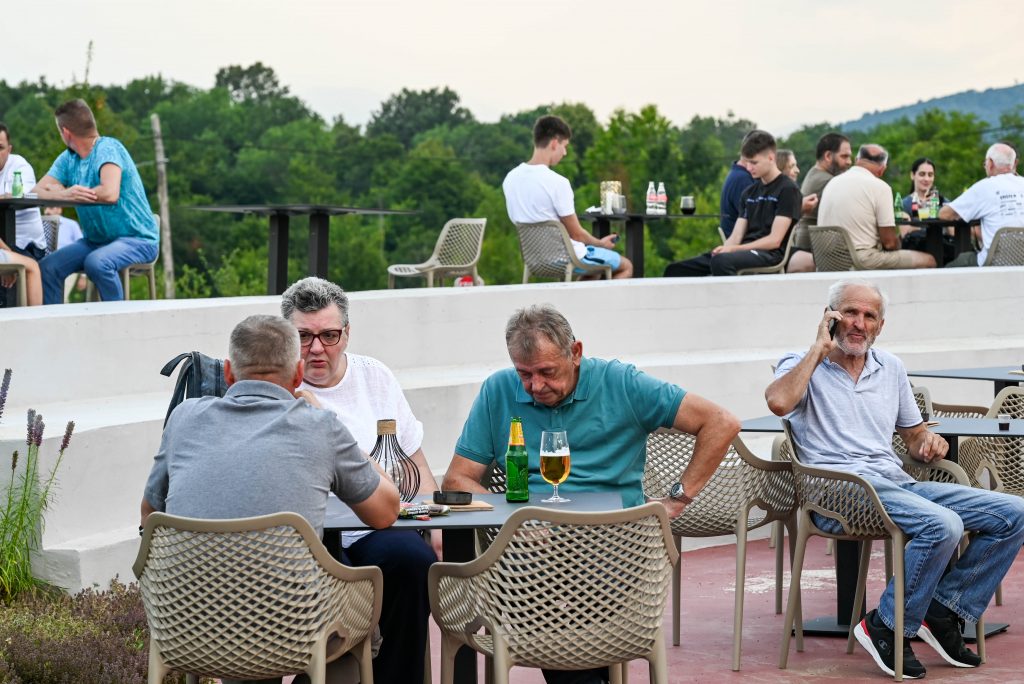
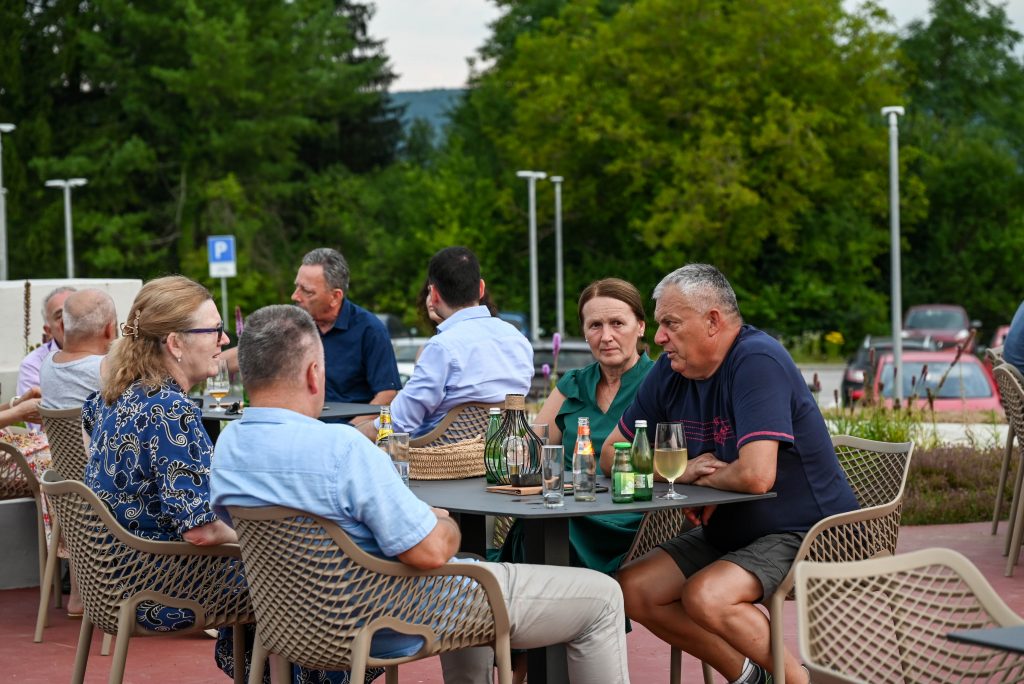
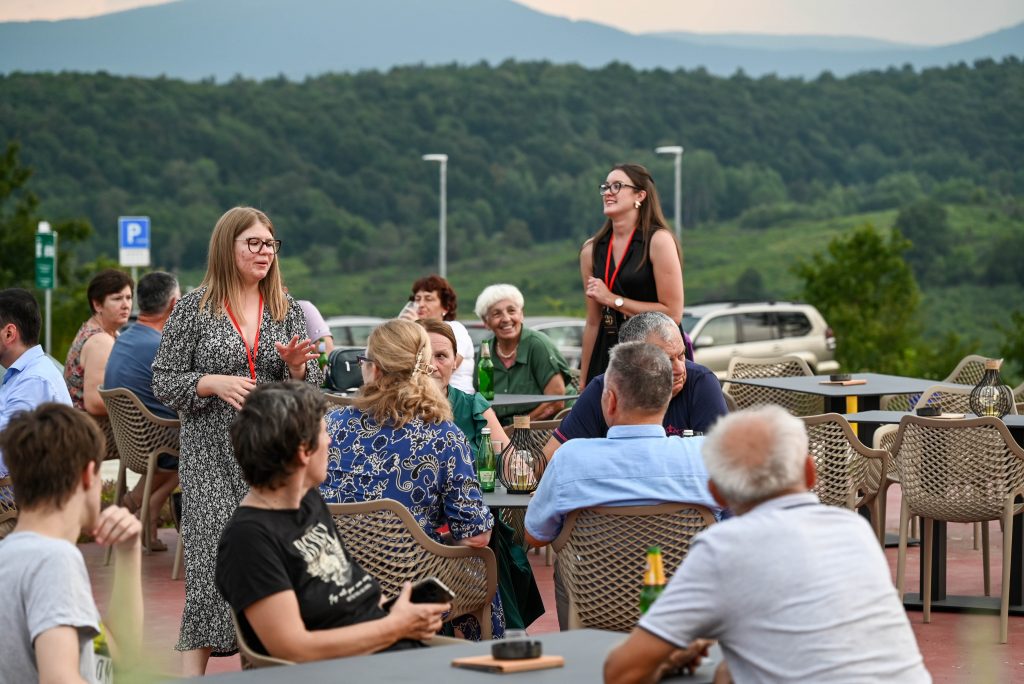
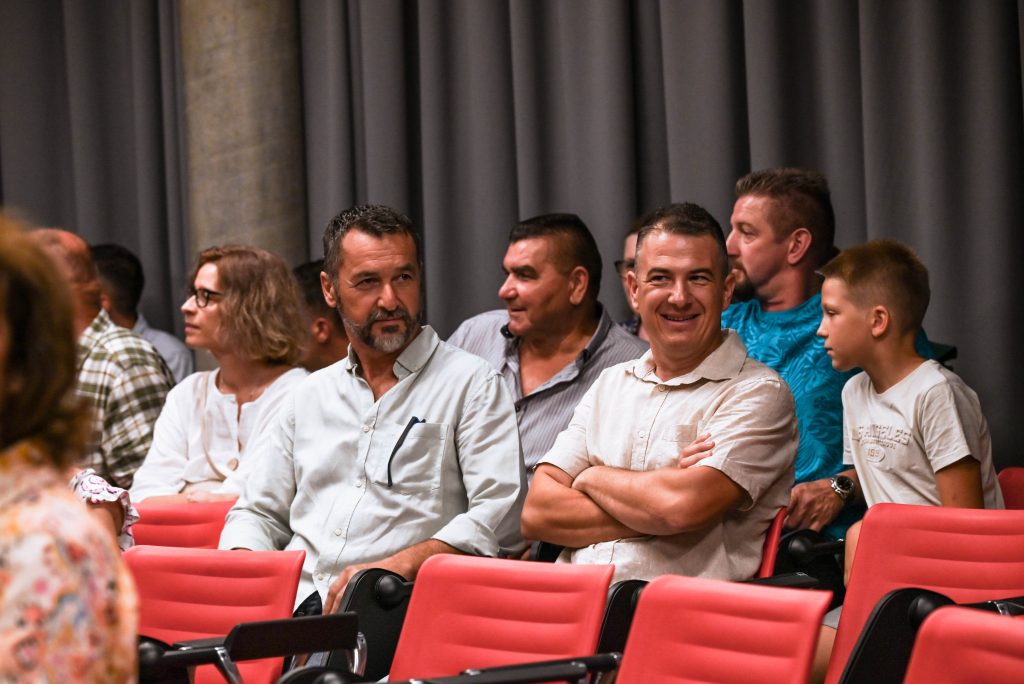
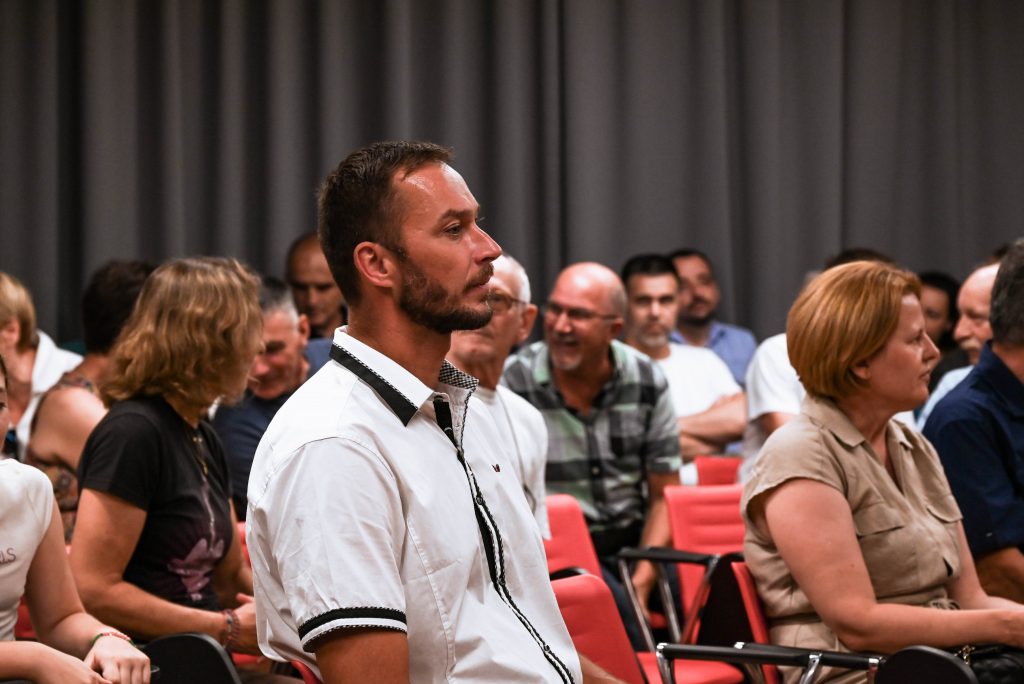
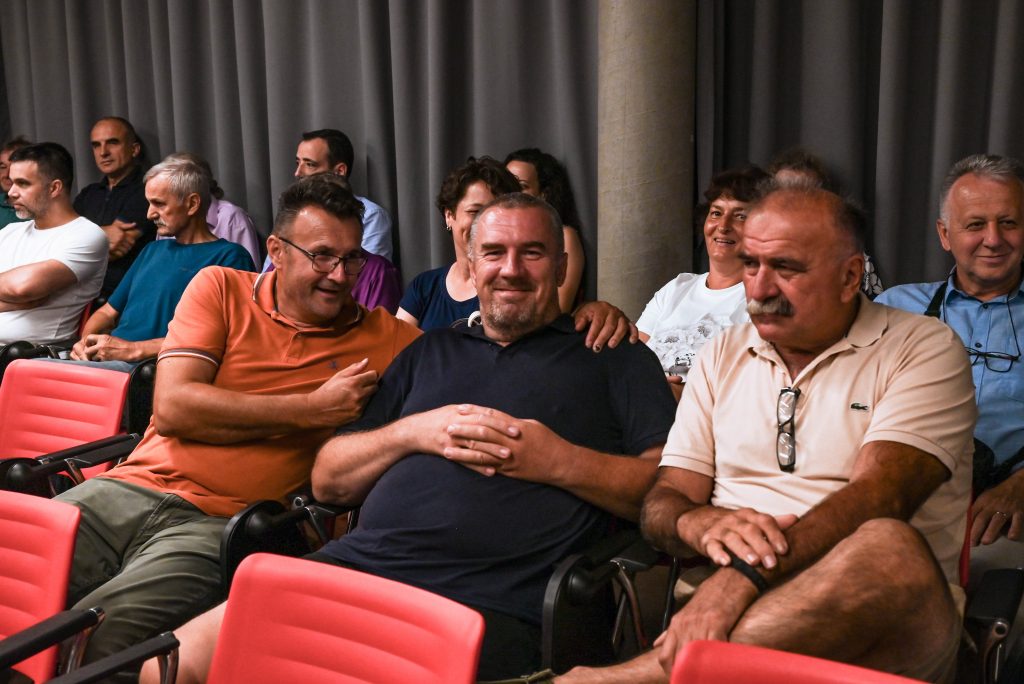
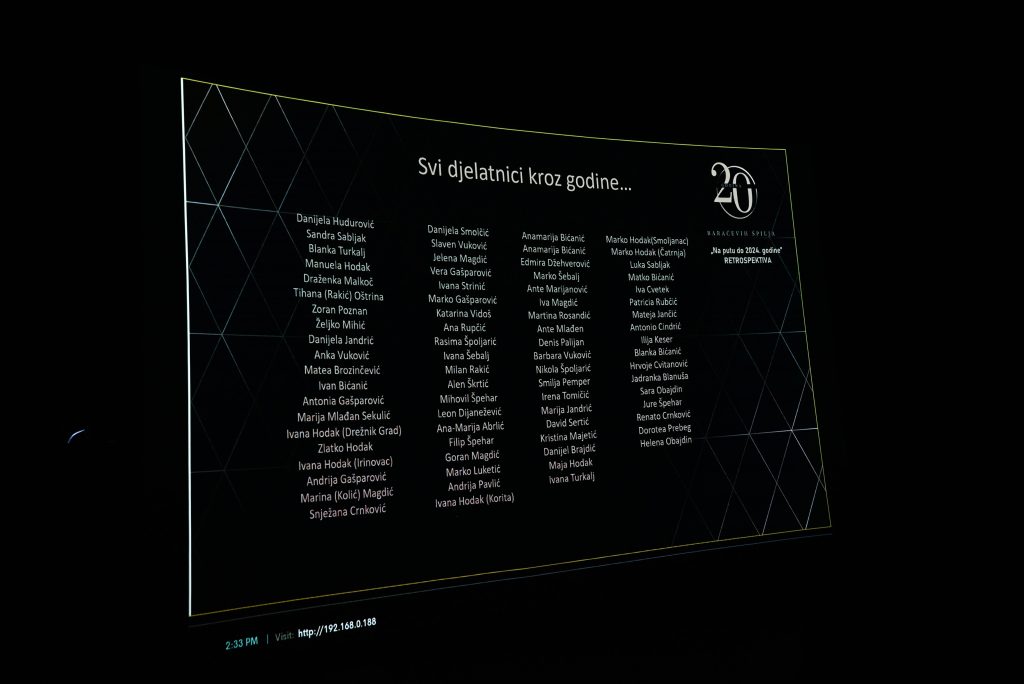
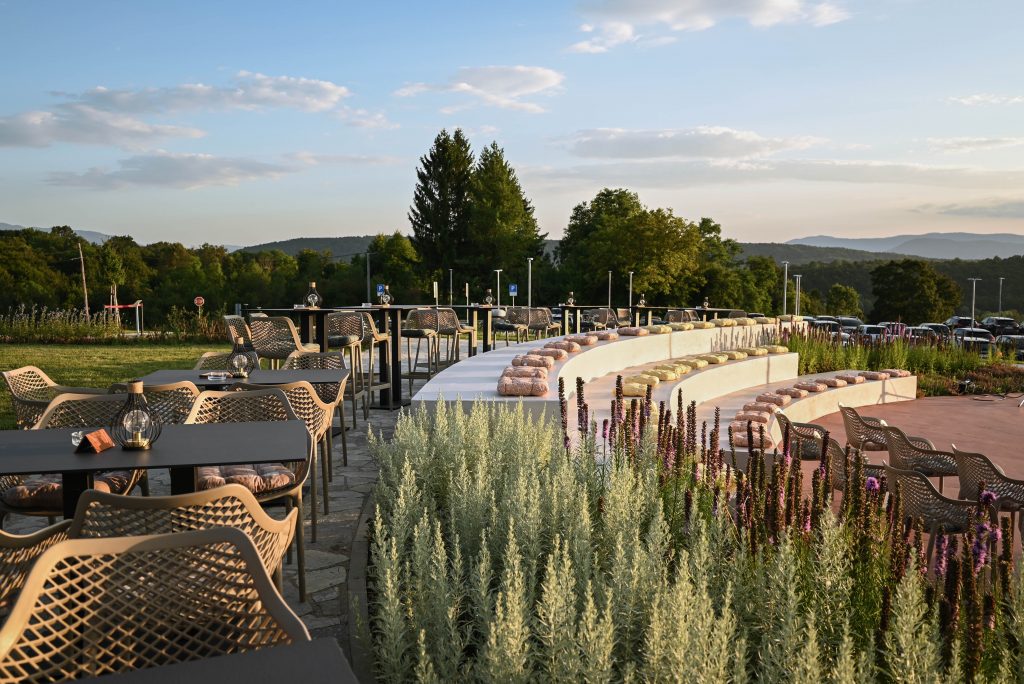
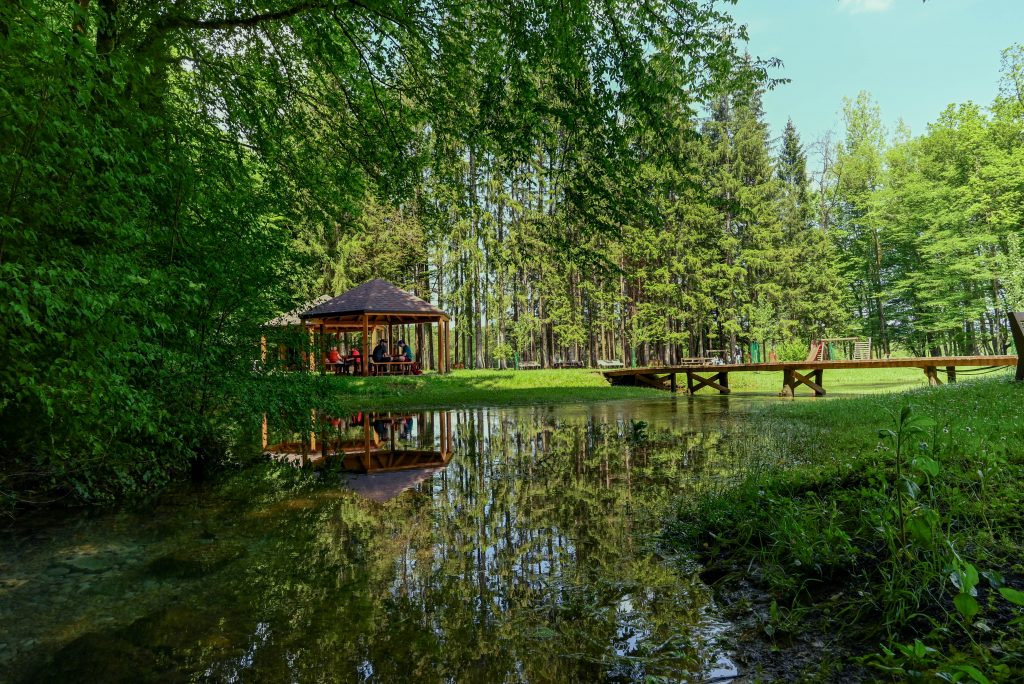
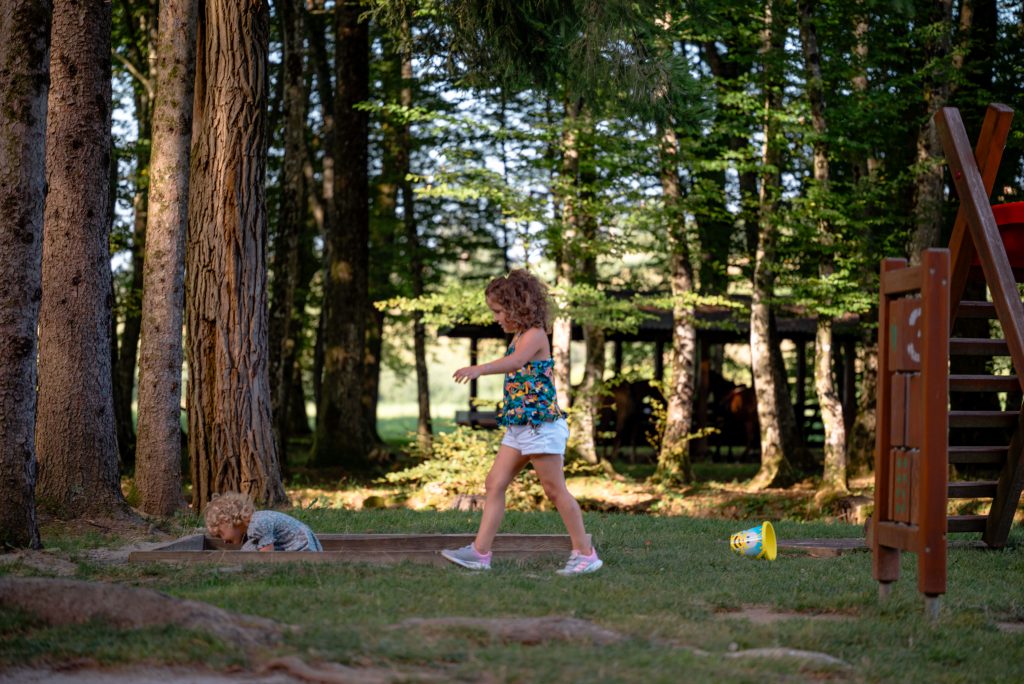
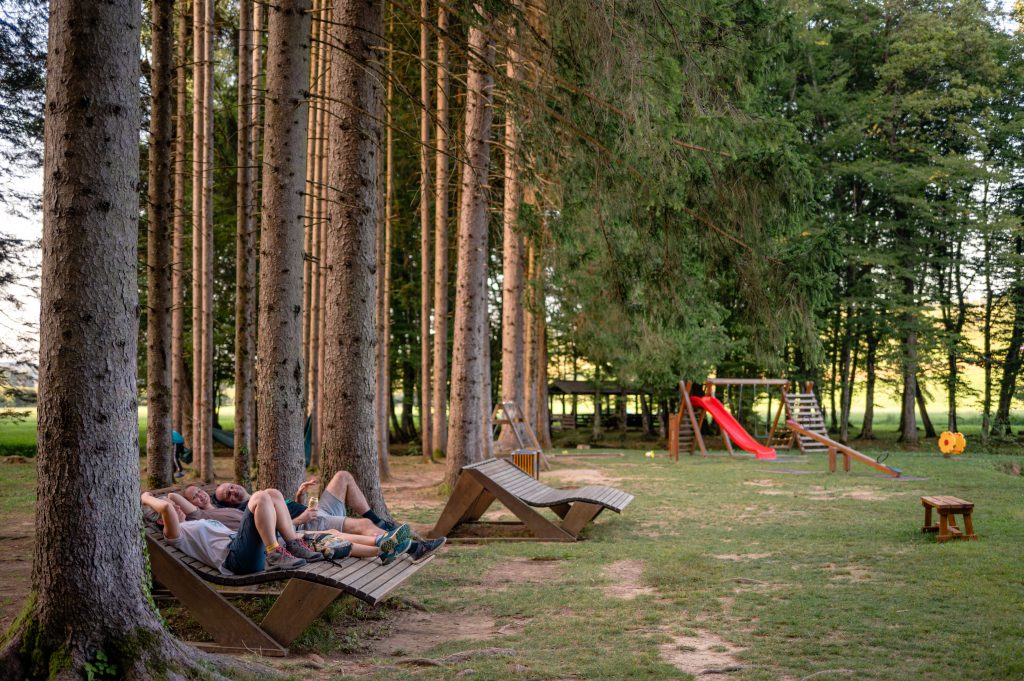
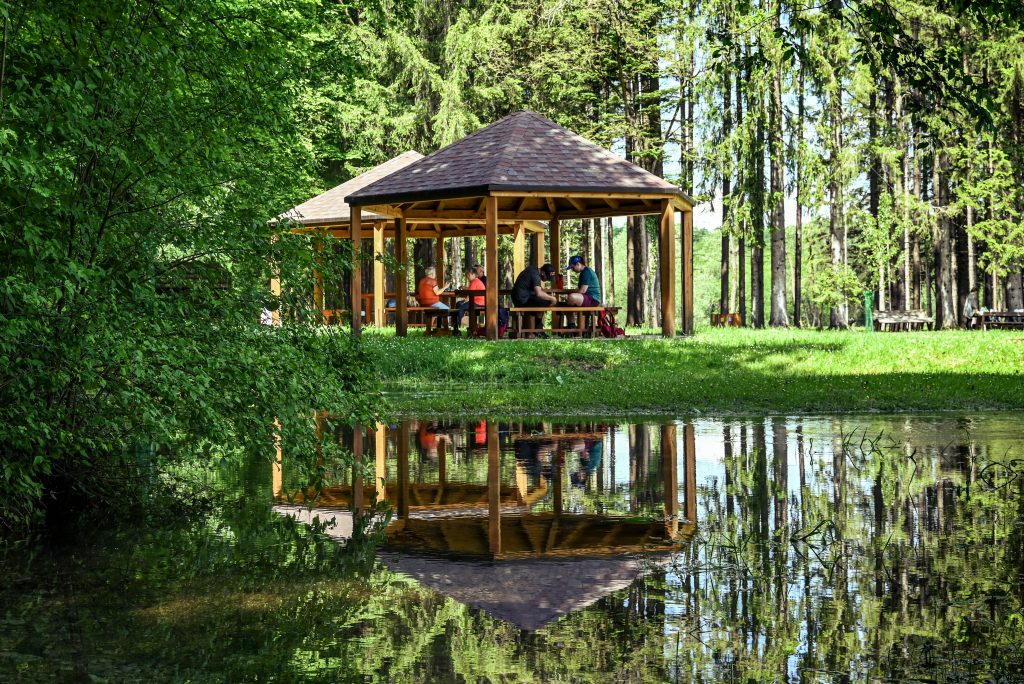
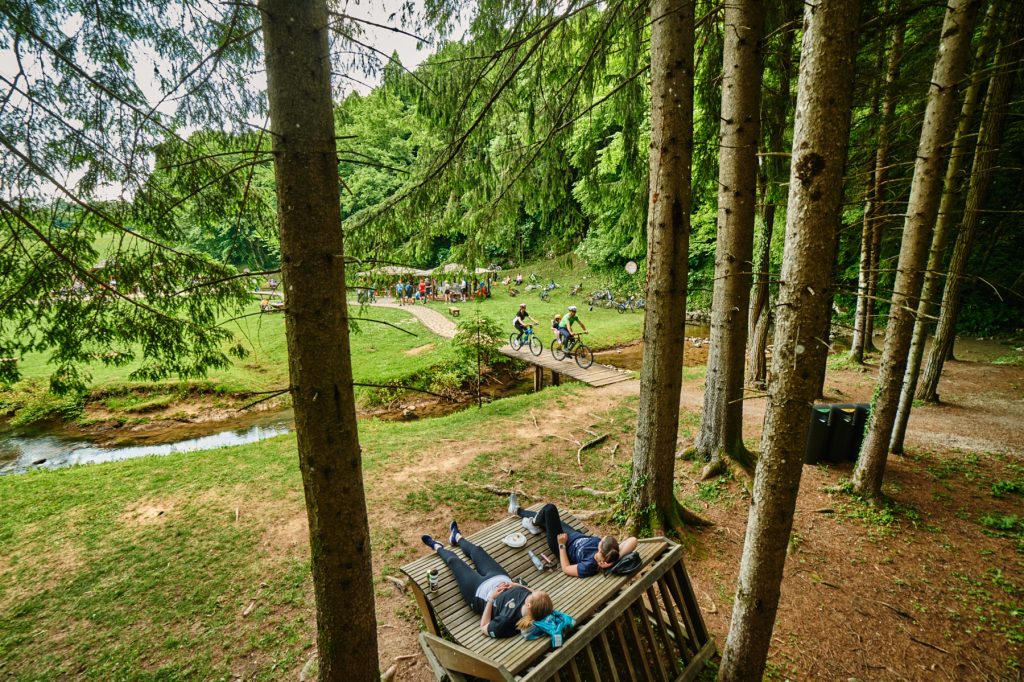
The event was attended by approximately one hundred guests who, according to the lists of former Mayor Franjo Franjković and the first director Tihomir Kovačević, volunteered in the work actions of arranging the Upper Barać Cave and the picnic area for tourism purposes.
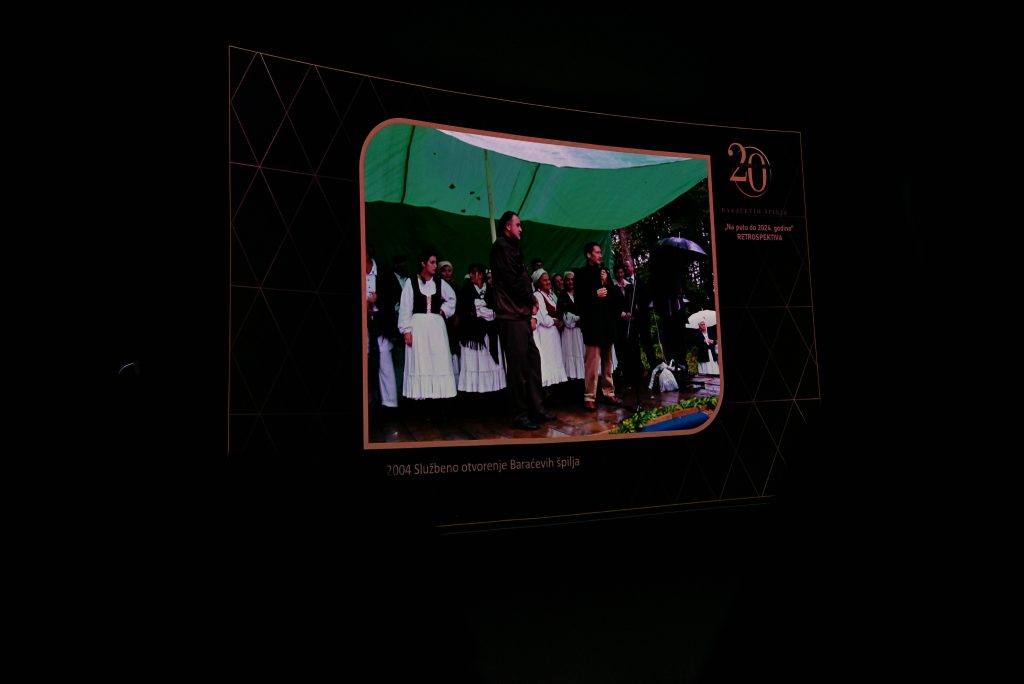
For all attendees, we prepared a short film about the arrangement of the Upper Barać Cave. Thanks to the members of DDISKF, Alan Kovačević and his father Tihomir Kovačević – Tihi, who diligently captured almost every moment, we obtained archival footage of the cave and picnic area arrangement and the first visits to the site. The footage dates from the period 2001 to 2004.
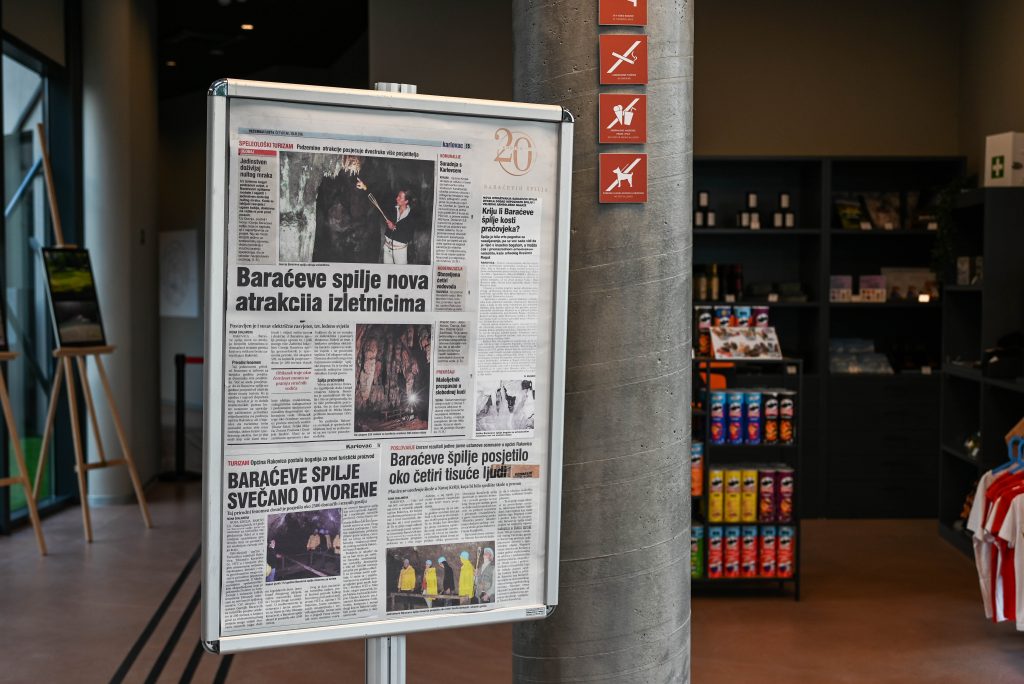
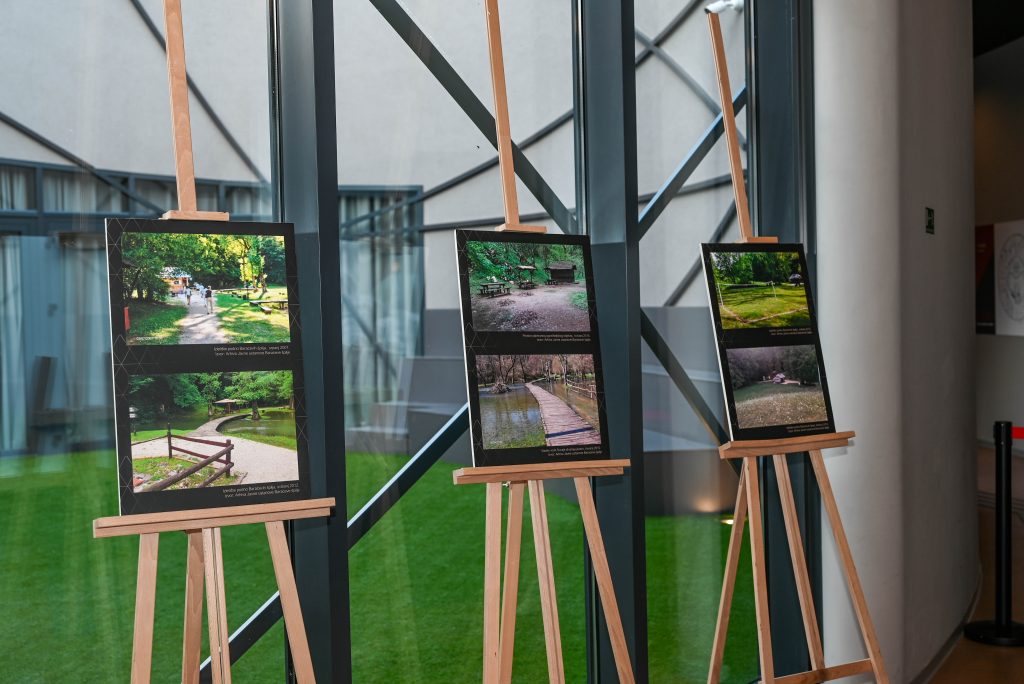
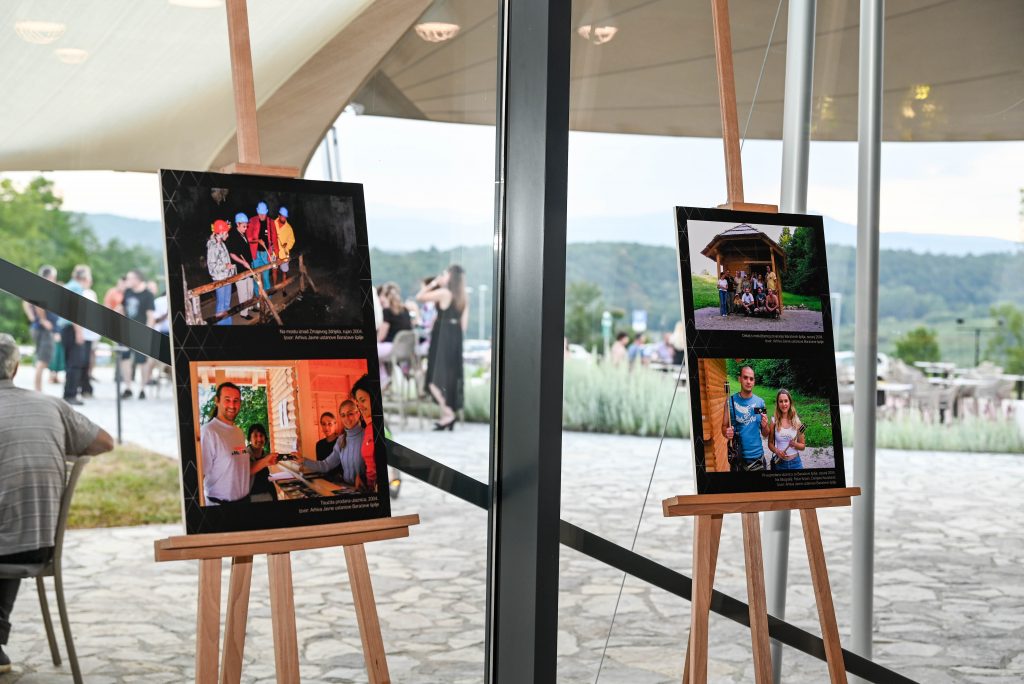
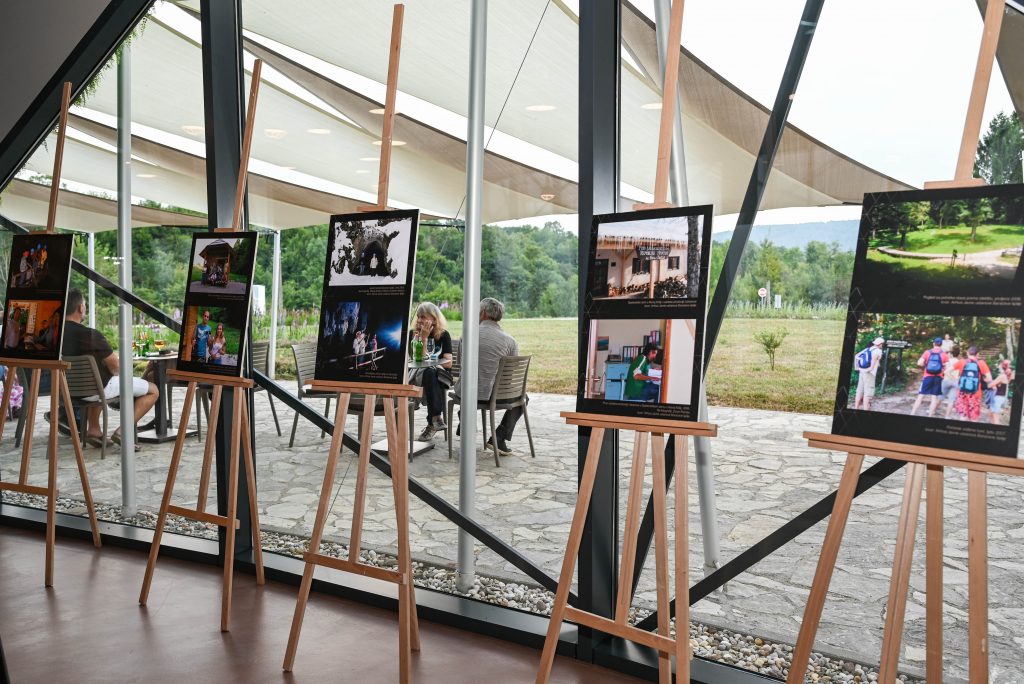
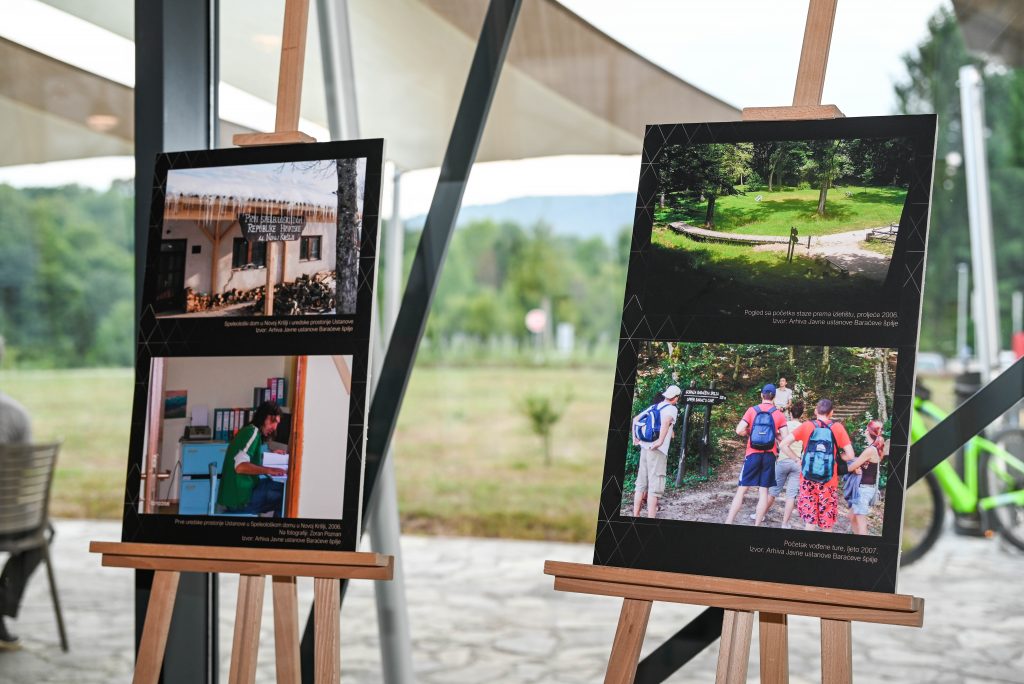
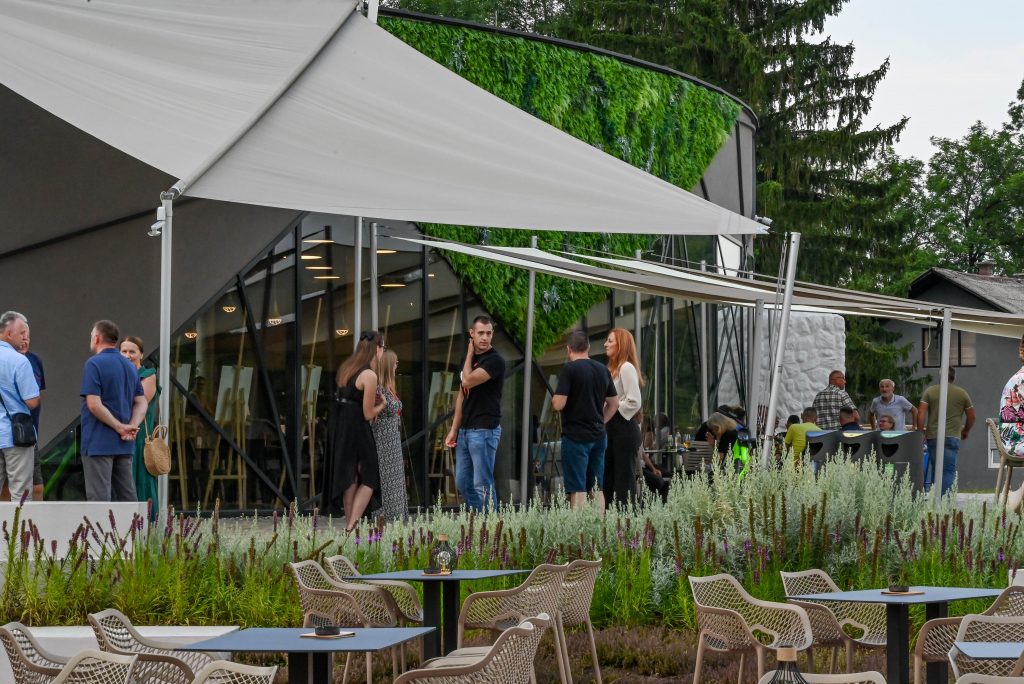
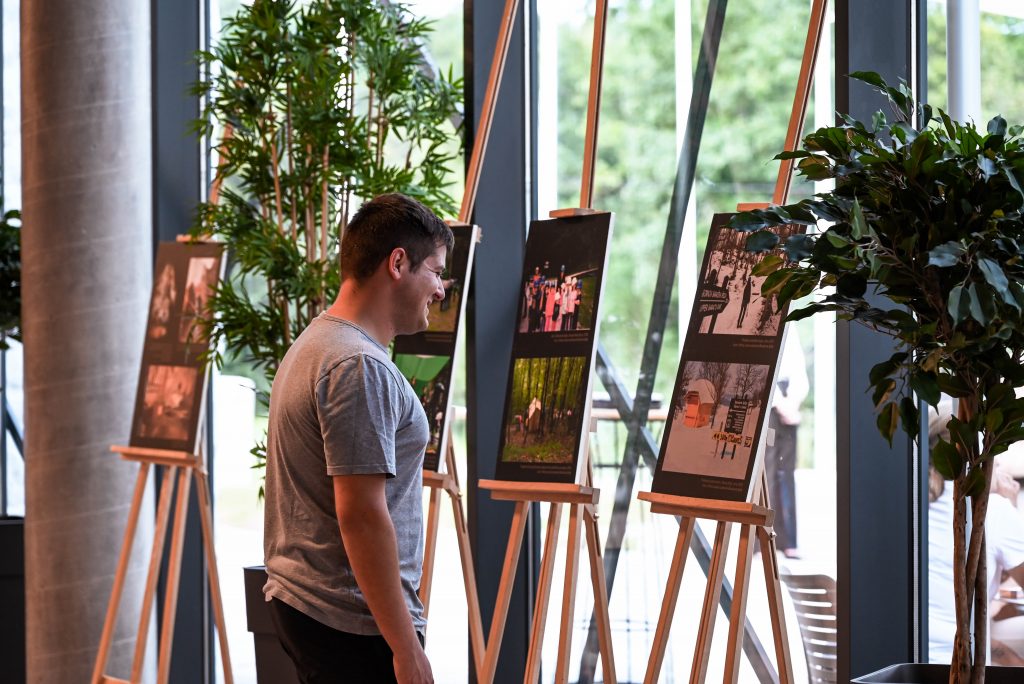
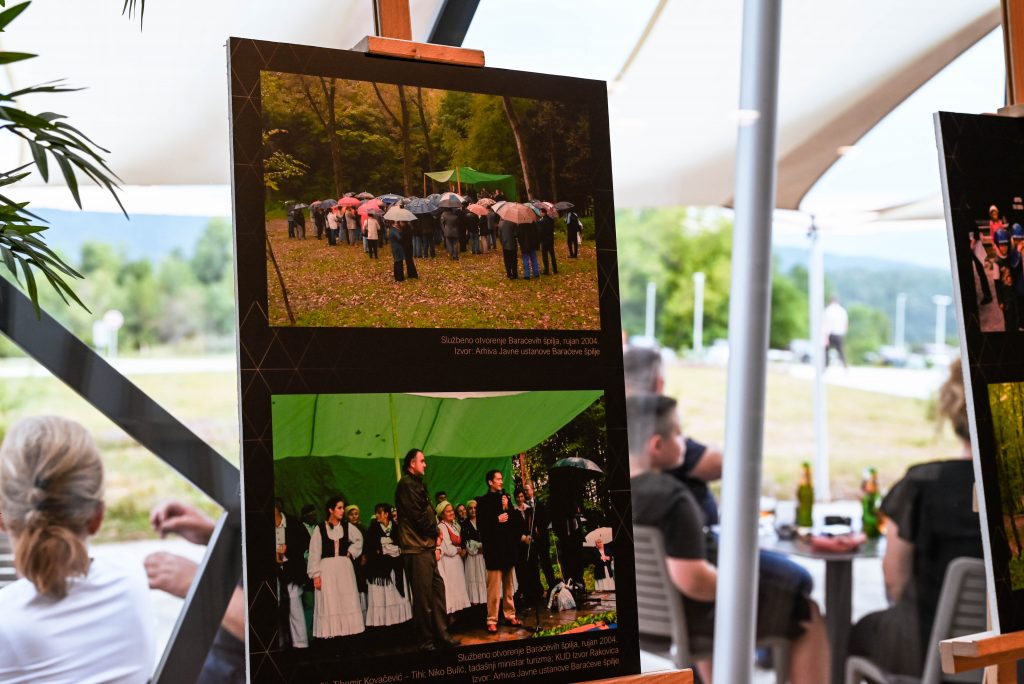
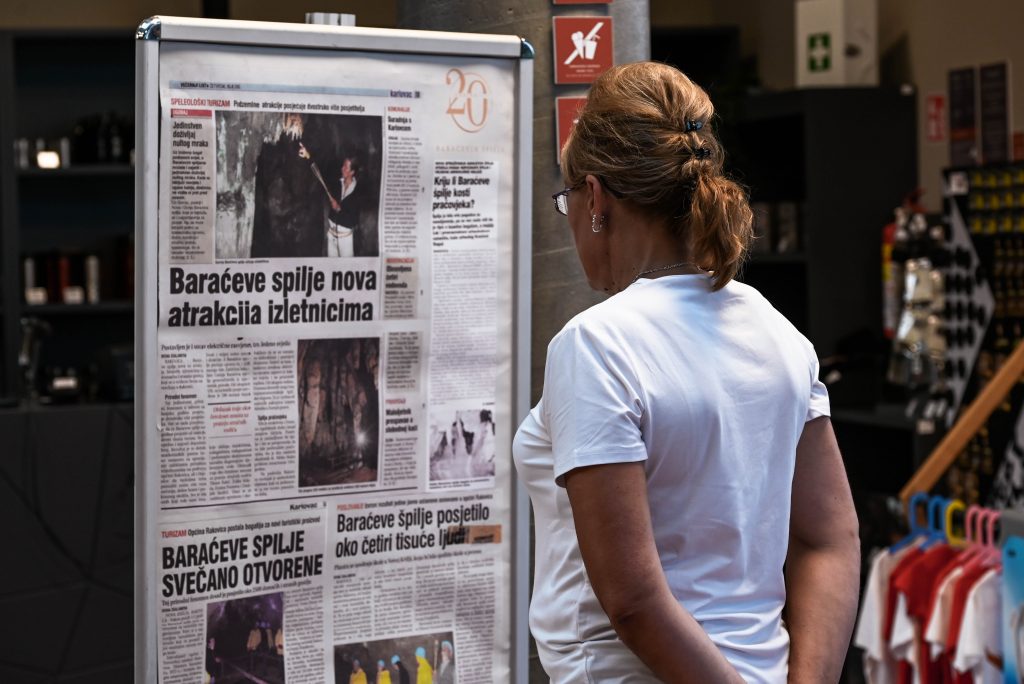
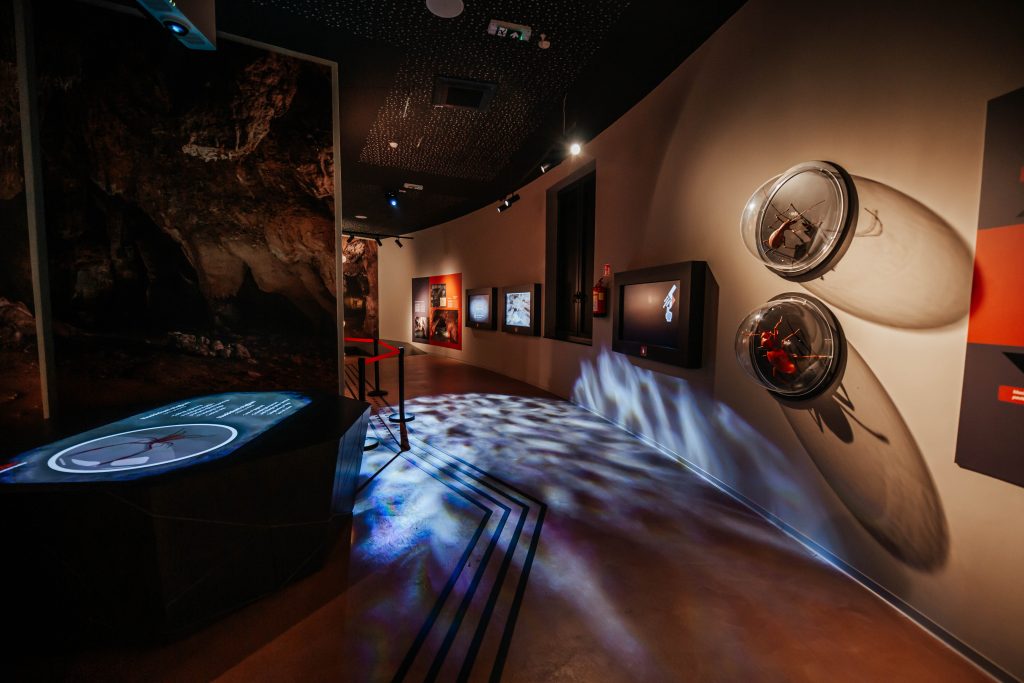
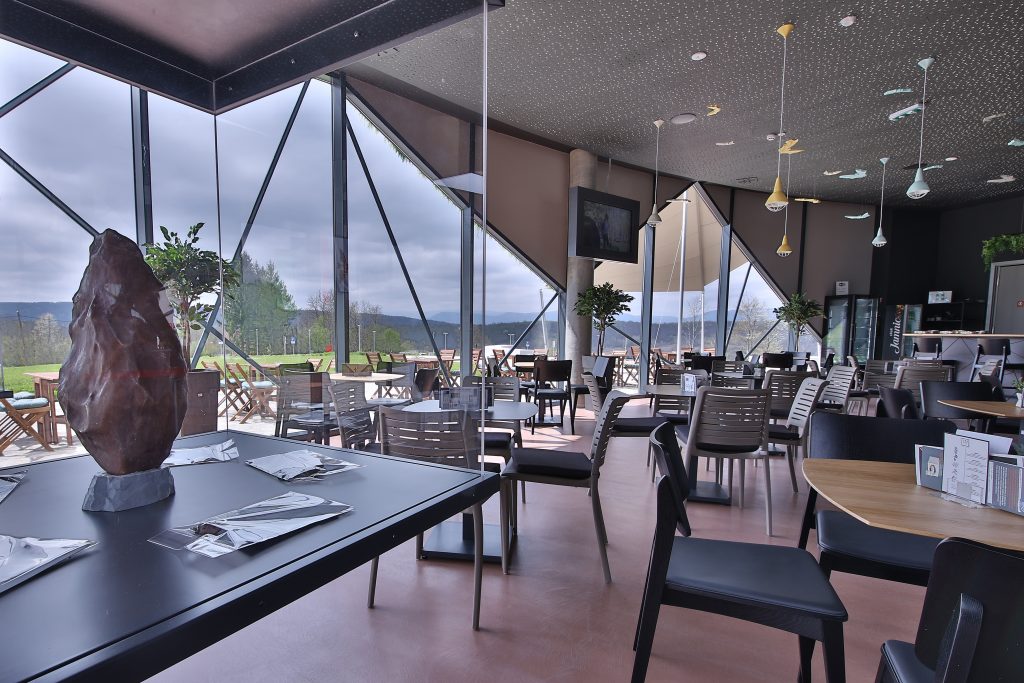
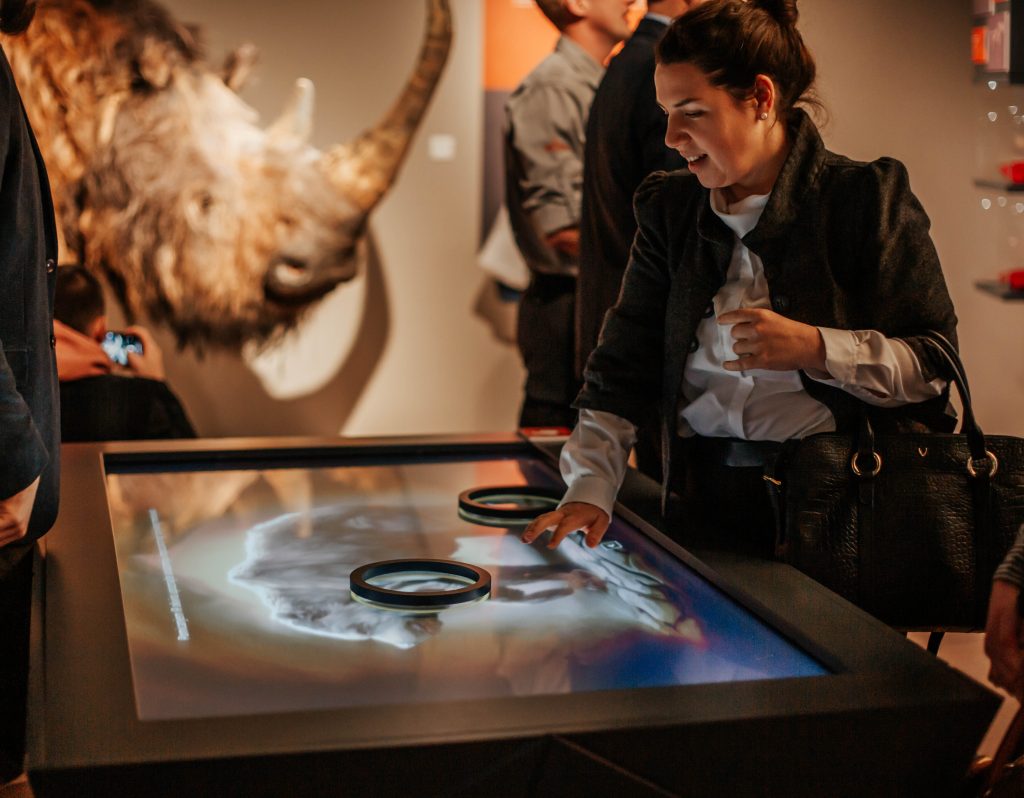
In the entrance area of the visitor center, a photo exhibition “20 Years Through the Lens” has been set up, which you can view until the end of August.
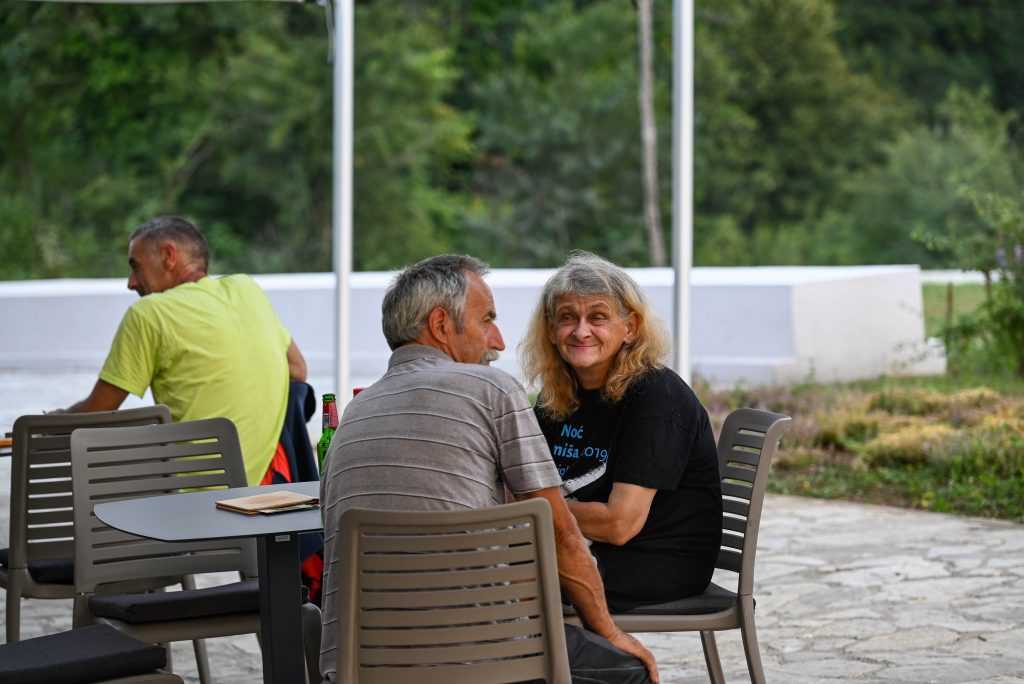
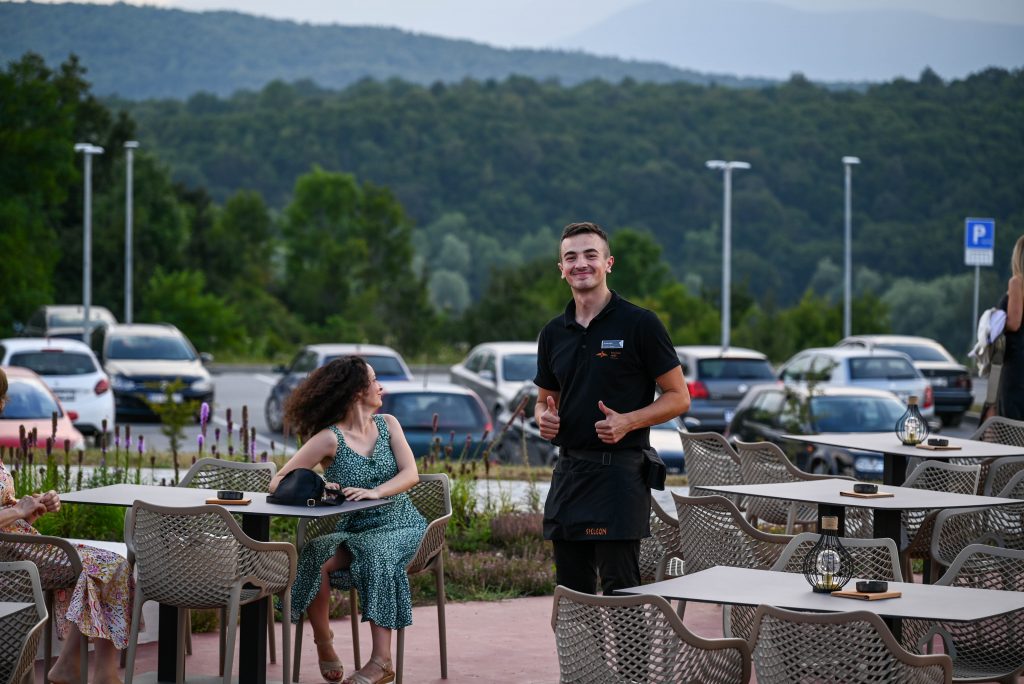
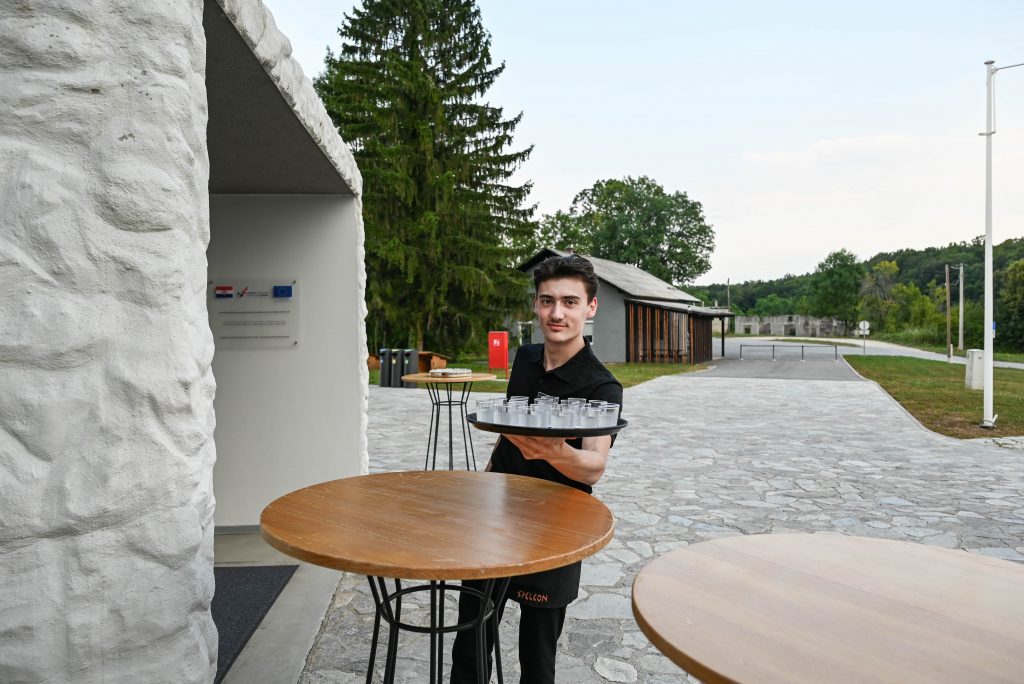
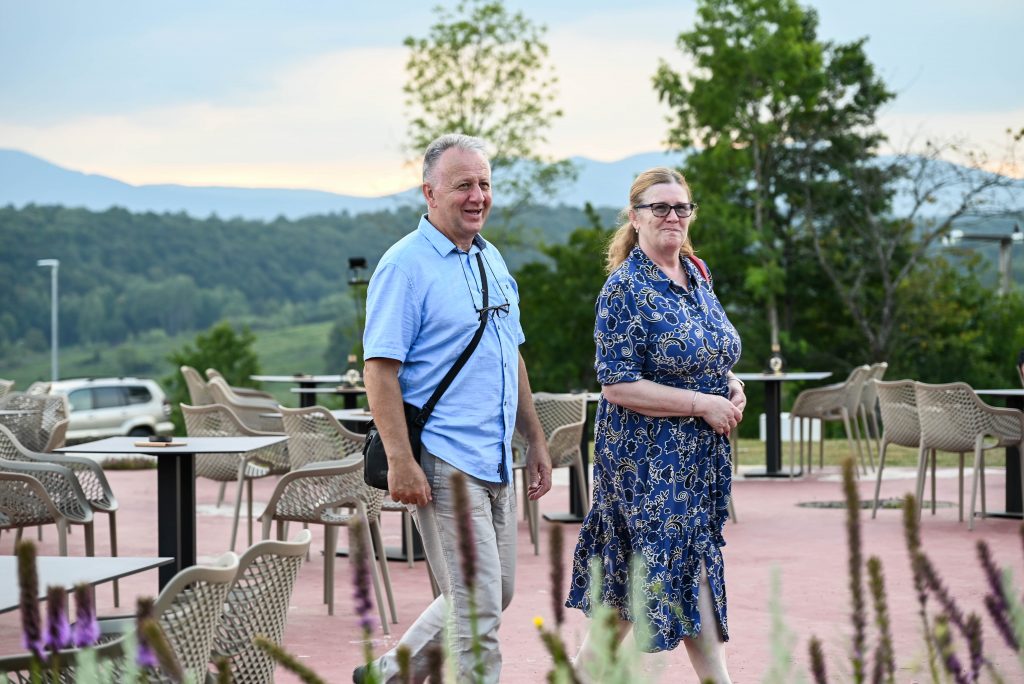
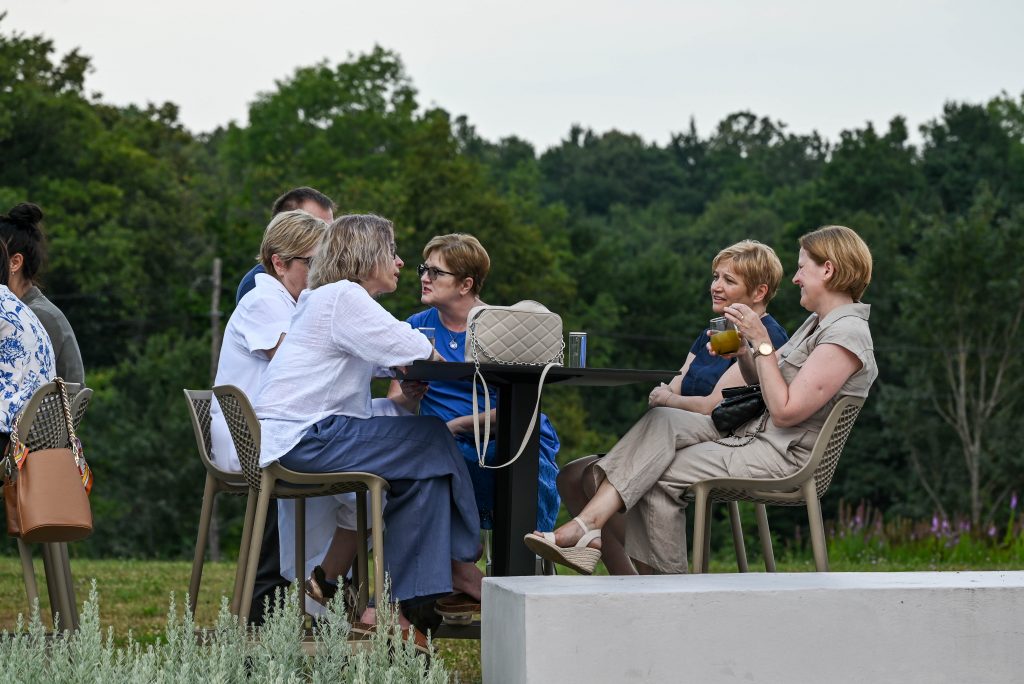
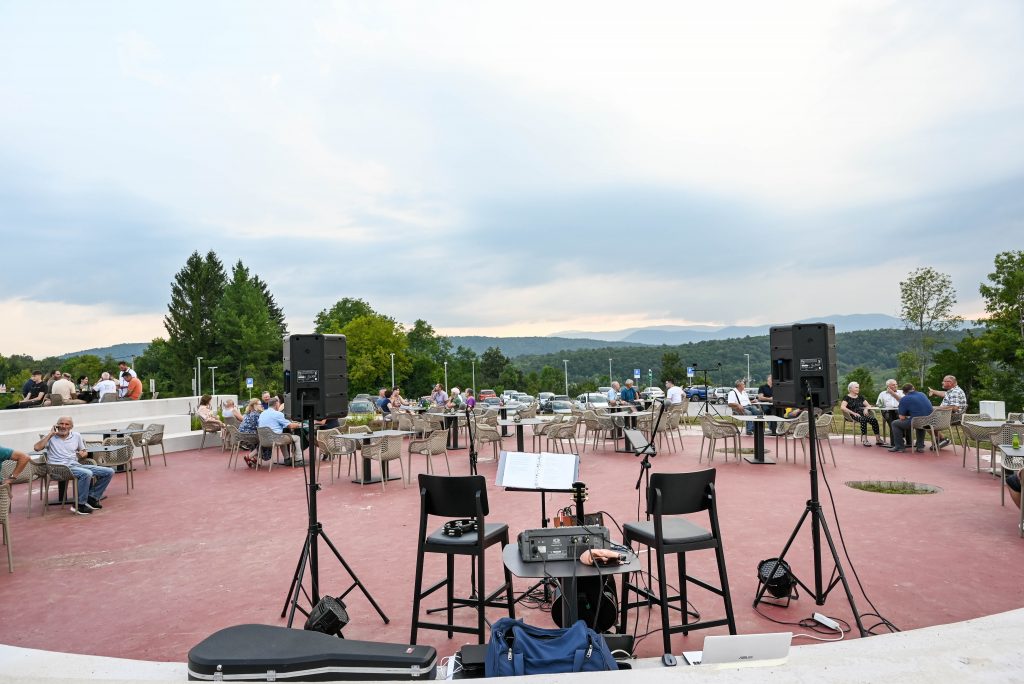
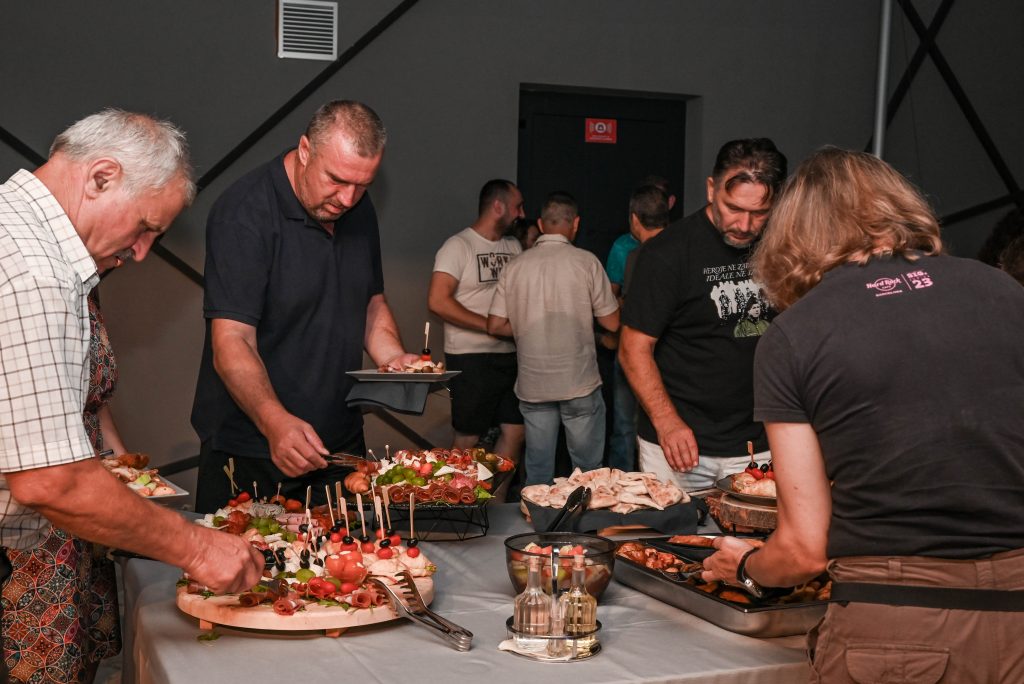
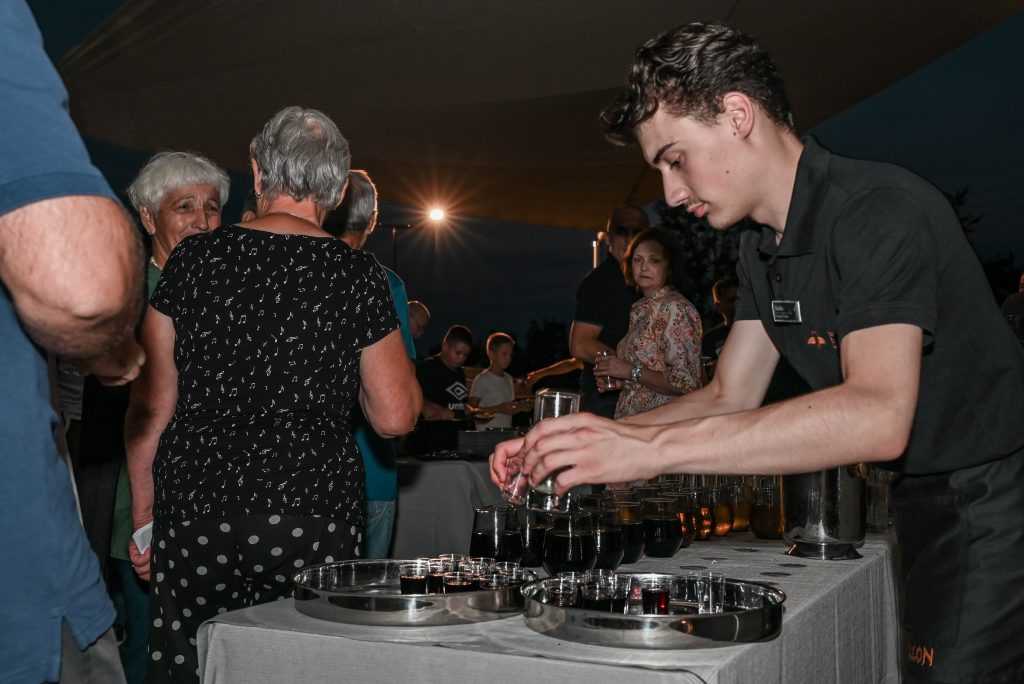
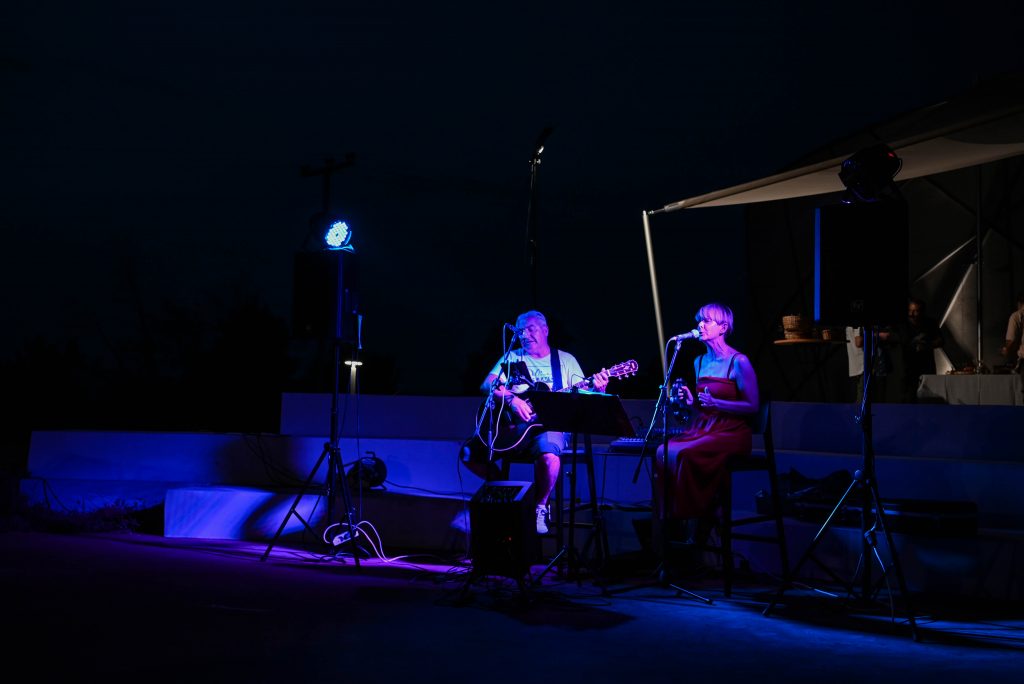
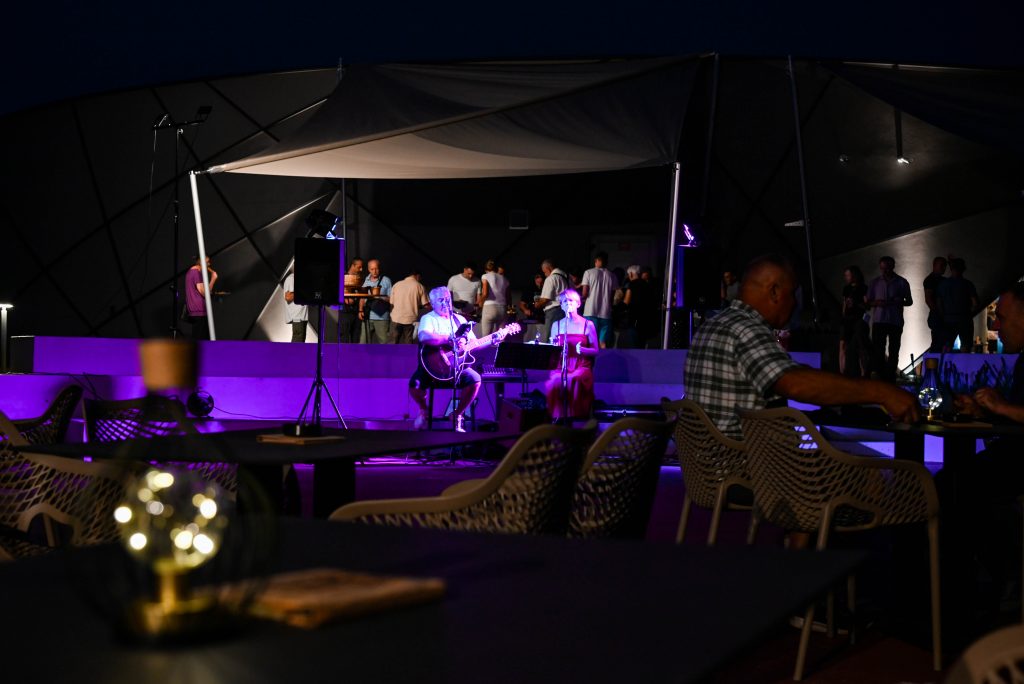
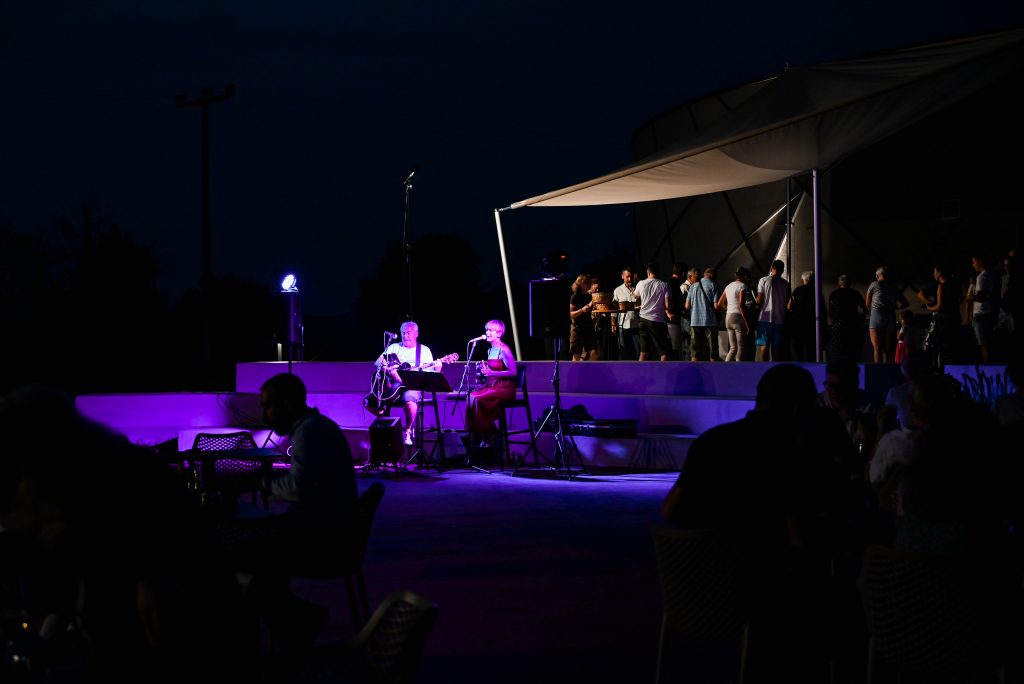
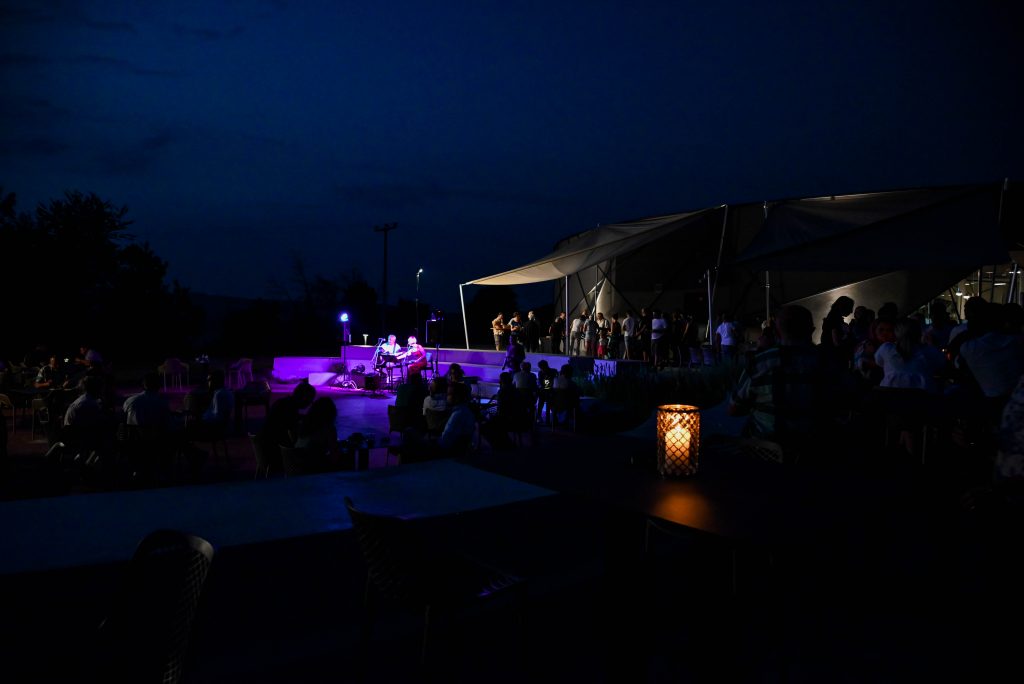
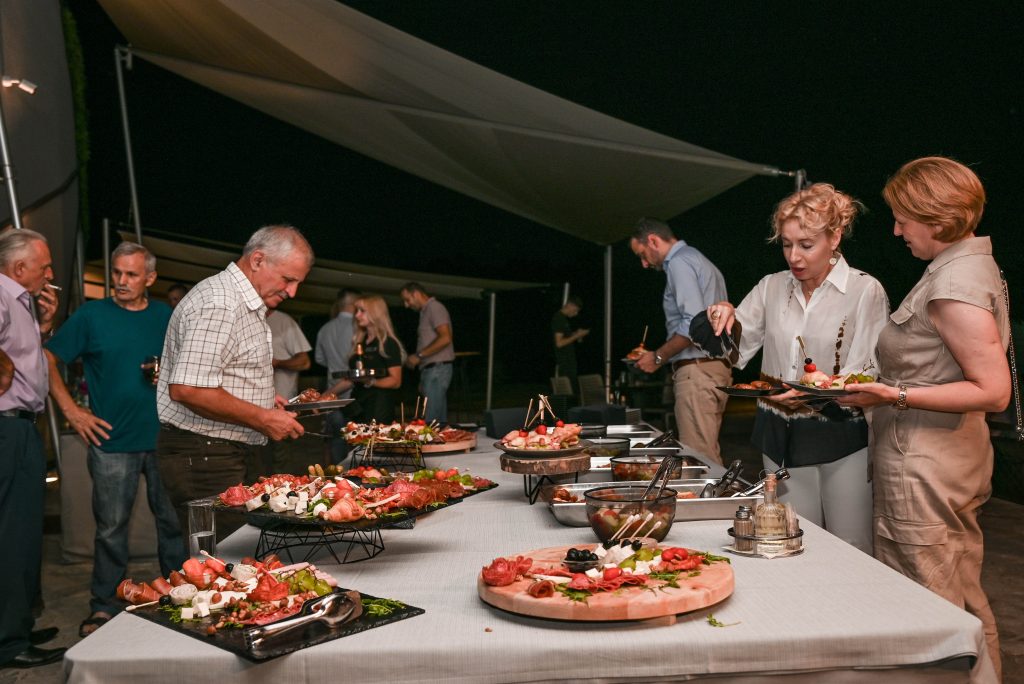
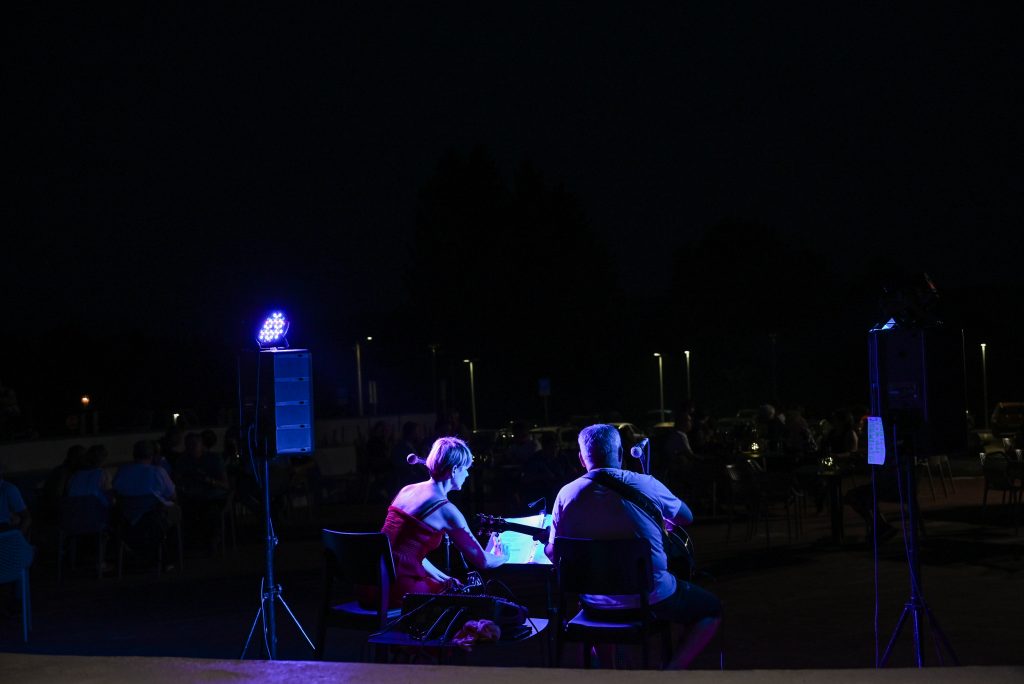
The evening concluded with a social gathering and a musical performance by Tona and Julijana.